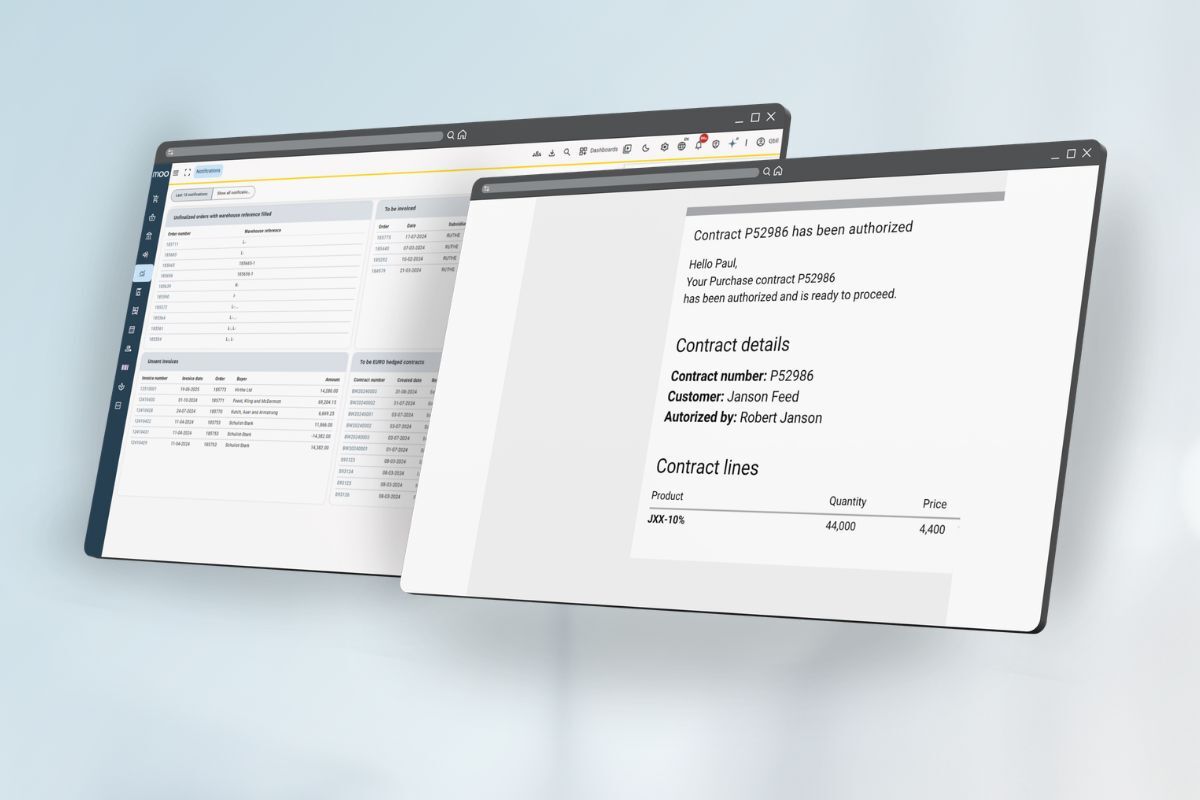

Organised dairy commodity trading processes are systematic approaches to managing contracts, orders, inventory, and workflows in dairy ingredient trading. These structured methods replace manual, ad hoc approaches with coordinated systems that provide real-time visibility and control. Professional dairy traders use organised processes to track positions, manage risk, and optimise operations across their entire trading portfolio.
What exactly are organised dairy commodity trading processes?
Organised dairy commodity trading processes are structured workflows that coordinate contract management, order processing, inventory tracking, and operations throughout the dairy ingredient supply chain. These processes integrate all trading activities into a cohesive system rather than managing each transaction separately.
Professional dairy commodity trading involves managing multiple contracts for products such as milk powder, whey, lactose, and butter across different delivery schedules. Organised processes ensure that every contract detail, from pricing terms to delivery dates, is tracked systematically. This includes monitoring situations where bulk quantities, such as 100,000 kilos of milk powder, are sold but delivered in smaller batches over time.
The systematic approach covers position management, where traders maintain real-time visibility into what they have purchased versus what they have sold. This prevents the dangerous situation of being overcommitted or underhedged in volatile dairy markets. Organised processes also coordinate logistics, ensuring that storage, transport, and delivery align with contract obligations.
Modern dairy ingredient traders often handle value-added services such as blending, mixing, and repackaging. Organised processes track these operations, maintaining quality standards and traceability throughout the supply chain. This systematic coordination distinguishes professional trading operations from reactive, transaction-by-transaction approaches.
Why do dairy ingredient traders struggle without organised processes?
Dairy ingredient traders using manual systems such as Excel face significant challenges with position tracking, contract management, and real-time visibility. Without organised processes, traders lose oversight of their market positions, creating substantial financial risks in volatile commodity markets.
Excel spreadsheets become unwieldy when managing multiple contracts with different delivery schedules, pricing formulas, and quality specifications. Traders often struggle to maintain accurate positions when dealing with complex scenarios such as forward contracts, spot purchases, and ongoing deliveries. Manual tracking increases the risk of errors that can result in overselling or underbuying.
Contract management becomes particularly challenging when handling the intricate relationships common in dairy trading, where customers often serve as suppliers in other transactions. Without systematic tracking, traders may miss critical contract terms, delivery deadlines, or payment schedules. This creates operational stress and potential disputes with trading partners.
Inventory visibility problems emerge when traders cannot quickly assess available stock, committed quantities, and future delivery requirements. Manual systems make it difficult to optimise storage, plan logistics, or respond quickly to market opportunities. The lack of real-time data means traders often make decisions based on outdated information.
Operating on thin margins requires precise position management. Without organised processes, traders risk making commitments they cannot fulfil or missing profitable opportunities due to incomplete market visibility.
How do organised trading processes reduce risk in dairy commodity markets?
Organised trading processes reduce risk through better position management, contract compliance tracking, and real-time data visibility that enables informed decision-making. Systematic approaches provide the oversight needed to navigate volatile dairy commodity markets safely and profitably.
Position management becomes precise when traders can see their exact exposure across all contracts and time periods. This visibility prevents dangerous situations where traders might unknowingly overcommit to sales without sufficient supply coverage. Real-time position tracking allows for immediate adjustments when market conditions change or unexpected supply issues arise.
Contract compliance tracking ensures that all delivery obligations, quality specifications, and payment terms are met consistently. Organised processes alert traders to upcoming deadlines, required actions, and potential conflicts before they become costly problems. This systematic monitoring protects relationships with trading partners and prevents contract disputes.
Inventory optimisation reduces carrying costs and spoilage risks by providing clear visibility into stock levels, ageing, and committed quantities. Traders can make informed decisions about storage, processing, and sales timing. This coordination is particularly important for dairy ingredients with specific storage requirements and shelf-life considerations.
Price volatility protection improves when traders have comprehensive visibility into their hedged and unhedged positions. Organised processes enable strategic risk management decisions based on complete portfolio views rather than individual transaction assessments. This systematic approach helps maintain consistent margins despite market fluctuations.
What specific benefits do traders see from implementing organised processes?
Traders implementing organised processes experience significant time savings through automation, reduced manual errors, better margin visibility, and improved customer service capabilities. These operational improvements directly translate to increased profitability and business scalability.
Time savings occur when routine tasks such as contract tracking, invoice generation, and position reporting become automated. Traders spend less time on administrative work and more time on strategic activities such as market analysis and relationship building. The reduction in manual data entry eliminates hours of daily spreadsheet management.
Manual error reduction protects profitability by preventing costly mistakes in pricing, quantities, or delivery schedules. Organised processes include validation checks that catch errors before they impact operations. This reliability builds trust with trading partners and reduces the stress of managing complex transactions manually.
Margin visibility improves dramatically when traders can see real-time profitability across their entire portfolio. This transparency enables better pricing decisions, identifies the most profitable relationships, and highlights areas for operational improvement. Traders can respond quickly to market changes with full knowledge of their financial exposure.
Enhanced customer service becomes possible when traders have immediate access to order status, delivery schedules, and contract details. A quick response to customer enquiries builds stronger relationships and creates competitive advantages. The ability to provide accurate, timely information distinguishes professional operations from less organised competitors.
Scalability increases as organised processes can handle growing transaction volumes without proportional increases in administrative overhead. This operational leverage allows successful traders to expand their business without being constrained by manual system limitations.
How quickly can dairy traders implement organised trading processes?
Dairy traders can typically implement organised trading processes within days to weeks, depending on system complexity and data migration requirements. Modern ERP software for the dairy industry solutions are designed for rapid deployment with minimal disruption to ongoing operations.
Implementation begins with system configuration based on specific trading requirements, including contract types, pricing formulas, and workflow preferences. This setup process typically takes one to three days for standard dairy ingredient trading operations. The configuration covers essential elements such as product specifications, trading partner details, and reporting requirements.
Data migration involves transferring existing contract information, inventory data, and trading partner details from current systems. Well-organised Excel data can often be imported directly, while more complex legacy systems may require additional conversion time. Most traders find that starting with current contracts and building historical data gradually works well.
Team training focuses on daily operations such as contract entry, order processing, and position monitoring. Dairy ingredient traders typically adapt quickly to organised systems because the workflows mirror their existing processes while providing better visibility and control. Training usually takes several days to complete for core users.
The typical timeframe for achieving operational benefits ranges from immediate improvements in data visibility to full process optimisation within several weeks. Many traders report significant benefits within the first week of operation, particularly in position tracking and contract management capabilities.
Our implementation approach ensures that dairy traders can transition smoothly from manual systems to organised processes, with comprehensive support throughout the setup period. The goal is to achieve full operational capability within two working days while maintaining business continuity.
Organised dairy commodity trading processes transform how ingredient traders manage their operations, providing the systematic oversight needed for profitable growth in competitive markets. The transition from manual systems to organised processes delivers immediate operational benefits while building the foundation for long-term business success. For dairy traders ready to move beyond Excel limitations, professional trading systems offer the visibility, control, and scalability essential for modern commodity trading operations.
Frequently Asked Questions
What are the most common mistakes dairy traders make when transitioning from Excel to organised trading processes?
The most frequent mistakes include trying to replicate every Excel formula in the new system instead of leveraging automated calculations, attempting to migrate all historical data at once rather than focusing on active contracts first, and not properly training all team members on the new workflows. Successful transitions focus on current operations and build historical data gradually while ensuring everyone understands the new processes.
How do organised trading processes handle complex dairy ingredient pricing formulas and market-linked contracts?
Modern organised trading systems automatically calculate prices based on predefined formulas linked to market indices, exchange rates, and quality premiums. They can handle complex scenarios such as milk powder contracts tied to GDT auction results, butter pricing linked to European exchanges, and multi-component formulas that adjust for protein and fat content. The system updates prices automatically and maintains audit trails for all calculations.
Can organised trading processes integrate with existing accounting systems and bank platforms?
Yes, professional dairy trading systems typically offer integration capabilities with popular accounting software, banking platforms, and ERP systems. This integration eliminates double data entry, ensures financial accuracy, and provides seamless cash flow management. Most systems support standard formats for data exchange and can connect with logistics providers and quality testing laboratories.
What happens if there are system issues or downtime during critical trading periods?
Professional trading systems include robust backup procedures, cloud-based redundancy, and offline capabilities for critical functions. Most providers offer 24/7 technical support and maintain service level agreements for uptime. Additionally, systems typically include data export capabilities, allowing traders to access essential information even during maintenance periods, ensuring business continuity during volatile market conditions.
How do organised processes help manage quality specifications and compliance requirements in dairy ingredient trading?
Organised systems track detailed quality parameters for each product lot, maintain certificates of analysis, and monitor compliance with customer specifications throughout the supply chain. They can flag potential quality issues before shipment, track temperature-controlled storage requirements, and maintain complete traceability records. This systematic approach reduces quality disputes and ensures regulatory compliance across different markets.
What level of customisation is possible to match specific dairy trading business requirements?
Modern dairy trading systems offer extensive customisation options including custom contract types, pricing formulas, workflow approvals, and reporting formats. Traders can configure the system to match their specific product portfolio, trading relationships, and operational procedures. Most systems allow for custom fields, automated alerts, and personalised dashboards while maintaining the core functionality that ensures systematic process management.