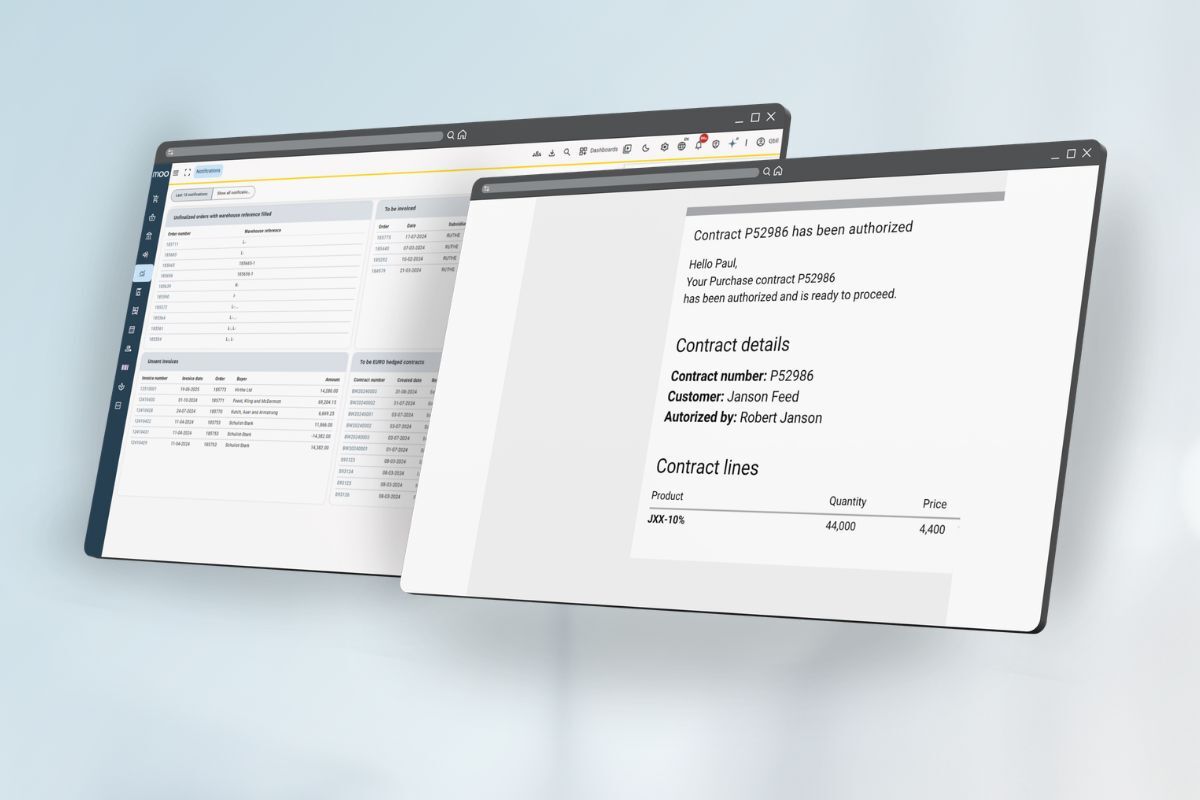

ERP software for dairy traders manages the entire trading operation, from contract creation to delivery completion, while accounting software only records the financial outcomes after transactions occur. ERP systems handle real-time position tracking, contract management, and operational workflows that are essential for dairy ingredient trading but impossible to manage effectively with accounting software alone. This comprehensive approach addresses the complex requirements that dairy traders face daily.
What’s the fundamental difference between ERP and accounting software for dairy traders?
Accounting software focuses exclusively on financial recording and compliance, while ERP systems manage the complete trading lifecycle, including contracts, inventory positions, and operational workflows specific to dairy ingredient trading. Accounting software works backward from completed transactions, whereas ERP software actively manages ongoing trading activities.
The core distinction lies in timing and scope. Accounting software records what has already happened financially, creating reports for tax purposes and financial statements. ERP software for the dairy industry manages what is happening right now and what needs to happen next. When you’re trading 100,000 kilos of milk powder across multiple delivery dates, accounting software can tell you the final profit after everything is complete, but it cannot help you manage partial deliveries, quality specifications, or current market exposure.
Dairy traders operate in a complex environment where the same company might be both a customer and a supplier, where contracts span months with multiple delivery schedules, and where market prices fluctuate daily. This requires operational management tools that accounting software simply was not designed to provide. ERP systems understand these trading relationships and can track positions, manage workflows, and coordinate logistics in ways that accounting software cannot.
Why can’t accounting software handle dairy trading positions and contracts effectively?
Accounting software lacks the operational framework to manage complex trading scenarios such as forward contracts, partial deliveries, quality specifications, and real-time position tracking that dairy traders require daily. It treats each transaction as an isolated financial event rather than part of an ongoing trading relationship.
Consider a typical dairy trading scenario: you’ve contracted to buy 500,000 kilos of lactose over six months with monthly deliveries, while simultaneously selling portions of this contract to three different customers with varying delivery schedules and quality requirements. Accounting software can record each delivery as it happens, but it cannot track your remaining obligations, monitor quality compliance, or alert you to delivery scheduling conflicts.
Forward contracts present another challenge. When you agree to deliver milk powder three months from now at today’s price, accounting software has no framework for managing this future obligation. It cannot track market exposure, calculate potential profits based on current market conditions, or manage the operational steps needed to fulfil the contract. ERP software for the dairy industry traders, however, maintains these forward positions as active operational items requiring ongoing management.
The multi-currency aspect of international dairy trading adds another layer of complexity. While accounting software can record transactions in different currencies, it cannot actively manage currency exposure across multiple open positions or help traders understand their total risk exposure in real time.
What specific trading operations does ERP software manage that accounting software cannot?
ERP software manages specialized trading operations, including contract lifecycle management, inventory planning across multiple locations, logistics coordination, quality control tracking, and multi-currency position monitoring. These operational functions require active workflow management rather than passive financial recording.
Contract management represents one of the most significant operational differences. ERP systems track contract terms, delivery schedules, quality specifications, and performance against obligations. They can alert traders when deliveries are due, when quality certificates are missing, or when contract modifications are needed. This active management keeps trading operations running smoothly and helps prevent costly mistakes or missed obligations.
Inventory planning across multiple locations and time periods requires sophisticated tracking that accounting software cannot provide. Dairy traders often store products in various warehouses, blend different ingredients to create custom specifications, and coordinate deliveries from multiple suppliers to meet customer requirements. ERP systems maintain real-time visibility of inventory levels, locations, and quality specifications across all facilities.
Logistics coordination involves managing transportation, documentation, and delivery scheduling across complex supply chains. ERP systems coordinate these activities automatically, ensuring that products move efficiently from suppliers through processing facilities to customers. They track shipping documents, coordinate with logistics providers, and maintain delivery schedules that accounting software cannot manage.
Quality control tracking throughout the supply chain ensures that dairy ingredients meet specifications and regulatory requirements. ERP systems maintain quality certificates, track testing results, and ensure that compliance documentation follows products through the entire trading process.
How does ERP software provide real-time trading insights that accounting software lacks?
ERP systems offer live position monitoring, profit margin analysis, delivery scheduling, and market exposure tracking that provide immediate operational insights, while accounting software only provides historical financial data after transactions are completed. This real-time visibility enables proactive decision-making rather than reactive reporting.
Live position monitoring shows exactly what you’ve bought versus what you’ve sold at any moment, including future obligations and delivery schedules. This real-time visibility is crucial for dairy traders operating on thin margins, where understanding your current market exposure can mean the difference between profit and loss. You can instantly see if you’re overcommitted, under-hedged, or have delivery conflicts that need immediate attention.
Real-time profit margin analysis allows traders to evaluate potential deals based on current positions and market conditions. Rather than waiting until the end of the month to understand profitability, ERP systems calculate margins continuously as market conditions change. This enables better pricing decisions and helps identify the most profitable opportunities.
Delivery scheduling across multiple contracts and customers requires coordination that accounting software cannot provide. ERP systems maintain comprehensive delivery calendars, coordinate with suppliers and logistics providers, and alert traders to potential conflicts or opportunities for consolidation. This operational insight helps optimise logistics costs and improve customer service.
Market exposure tracking across currencies, commodities, and time periods gives traders a complete picture of their risk position. While accounting software might show individual transaction results, ERP systems aggregate exposure across all positions to show total risk and opportunity. This comprehensive view enables better risk management and strategic decision-making.
The operational insights provided by ERP software enable dairy traders to manage their businesses proactively rather than reactively. Instead of discovering problems after they occur, traders can identify and address issues before they impact profitability or customer relationships. This proactive management capability represents the fundamental value that specialized ERP software provides beyond what accounting software can offer.
For dairy traders ready to move beyond spreadsheets and basic accounting software, implementing the right ERP system can transform operational efficiency and profitability. The transition typically requires careful planning and proper support to ensure smooth adoption across your trading operations. If you’re considering this important step for your dairy trading business, speaking with ERP specialists who understand the unique requirements of dairy ingredient trading can help you make the right decision for your specific needs.
Frequently Asked Questions
How long does it typically take to implement ERP software for a dairy trading business?
Implementation timelines vary based on business complexity, but most dairy trading ERP implementations take 3-6 months. This includes data migration, staff training, and system customization for your specific trading workflows. The key is proper planning and having dedicated resources to ensure smooth adoption without disrupting ongoing trading operations.
Can ERP software integrate with our existing accounting system, or do we need to replace it entirely?
Most modern ERP systems can integrate with existing accounting software through APIs or data exports, allowing you to maintain your current financial reporting structure while gaining operational trading capabilities. However, many dairy traders find that a comprehensive ERP system eventually replaces their accounting software entirely due to superior financial reporting features designed specifically for trading operations.
What happens to our historical trading data when switching from accounting software to ERP?
Historical data migration is a standard part of ERP implementation. Most systems can import transaction history, customer records, and supplier information from accounting software and spreadsheets. The challenge is often cleaning and structuring legacy data to take full advantage of ERP capabilities, which is why working with experienced implementation partners is crucial.
How do we train our team to use ERP software when they're used to simple accounting tools?
Start with key users who understand trading operations and gradually expand training across your team. Most ERP vendors provide comprehensive training programs, and the investment in proper training pays off quickly through improved efficiency. Focus on showing staff how ERP eliminates manual tasks they currently do in spreadsheets rather than adding complexity.
What are the most common mistakes dairy traders make when choosing ERP software?
The biggest mistake is choosing generic ERP software not designed for commodity trading, which forces workarounds that defeat the purpose. Other common errors include underestimating training requirements, not involving end-users in the selection process, and focusing only on price rather than long-term operational benefits and vendor support quality.
How much should we budget for ERP software beyond the initial licensing costs?
Plan for implementation costs (typically 1-2x the software license fee), ongoing training, and annual support fees. Most dairy traders see ROI within 12-18 months through improved efficiency, better margin management, and reduced errors. Consider the cost of not having proper systems - missed opportunities, compliance issues, and operational inefficiencies often cost more than the ERP investment.
Can small dairy trading companies benefit from ERP, or is it only worthwhile for large operations?
Small and medium dairy traders often see the biggest relative benefits from ERP because they're typically managing complex operations manually or with inadequate tools. Modern cloud-based ERP solutions offer scalable pricing that makes them accessible to smaller operations, and the efficiency gains can be transformational for businesses managing even modest trading volumes.