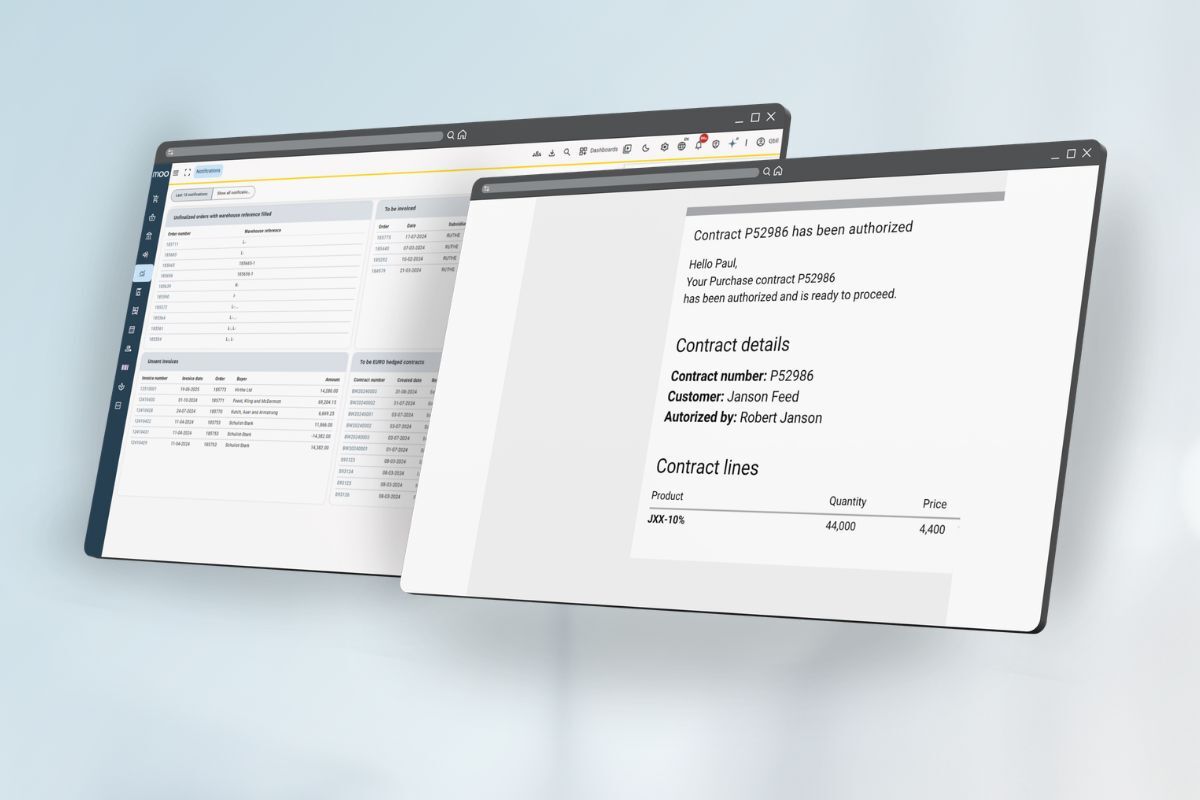

Ingredient trading companies manage complex delivery schedules through specialised systems that coordinate bulk shipments, multiple supplier relationships, and varying quality specifications. These traders handle hundreds of contracts simultaneously, requiring real-time tracking of deliveries from dairy producers to food manufacturers across international markets. Success depends on automated scheduling tools and constant communication among all parties.
What makes delivery scheduling so complex in ingredient trading?
Ingredient trading involves managing multiple interconnected variables that make delivery scheduling uniquely challenging. Traders must coordinate bulk deliveries of products such as milk powder, lactose, and dairy proteins across international supply chains while maintaining strict quality standards.
The complexity stems from several key factors. Bulk ingredients often require specific storage and transport conditions, meaning delivery timing must align with production schedules and storage capacity at receiving facilities. Quality specifications vary between contracts, requiring different handling procedures and documentation for each shipment.
International markets add another layer of complexity. Traders coordinate between producers in one country and manufacturers in another, dealing with customs requirements, shipping delays, and varying regulatory standards. A single disruption can cascade through multiple contracts, affecting dozens of delivery commitments.
Batch allocation presents ongoing challenges. Large contracts are typically delivered in smaller batches over time, requiring precise tracking of what has been shipped, what remains outstanding, and when future deliveries are scheduled. This becomes exponentially more complex when managing hundreds of active contracts simultaneously.
How do ingredient trading companies track multiple delivery commitments?
Ingredient trading companies use integrated position management systems that provide real-time visibility into all contract obligations, delivery dates, and batch allocations. These systems track what has been purchased versus what has been sold, helping traders maintain accurate positions across hundreds of active dairy and plant-based ingredient contracts.
Most successful traders have moved beyond Excel spreadsheets to specialised trading software that automatically updates positions as deliveries occur. These systems maintain detailed records of each contract’s delivery schedule, including original commitments, modifications, and actual shipment dates.
The tracking process involves continuous monitoring of supplier production schedules and customer requirements. Traders receive regular updates on production delays, quality test results, and shipping confirmations. This information feeds into their position management system, providing instant visibility into potential scheduling conflicts.
Effective tracking also includes maintaining detailed documentation for each batch. This covers quality certificates, shipping documents, and customs paperwork. Digital systems store these documents alongside delivery records, making it easy to access information when customers or suppliers have questions.
What tools help coordinate complex ingredient delivery logistics?
Specialised ERP software for dairy industry trading provides automated scheduling features, supplier coordination tools, and integrated batch-tracking capabilities. These systems connect with logistics providers and accounting systems to streamline the entire delivery process from initial order to final payment.
Modern trading software includes automated alerts for upcoming deliveries, potential scheduling conflicts, and quality certification expiry dates. These features help traders stay ahead of potential issues rather than reacting to problems after they occur.
Integration capabilities are crucial for effective coordination. The best systems connect with suppliers’ production planning systems, logistics providers’ tracking systems, and customers’ inventory management systems. This creates a seamless flow of information that reduces manual communication and prevents scheduling errors.
Many traders also use communication platforms that centralise all delivery-related discussions. These tools maintain conversation histories with suppliers and customers, making it easy to reference previous agreements and track decision-making processes. Specialised trading software often includes these communication features alongside position management and scheduling tools.
How do traders handle delivery schedule changes and disruptions?
Traders manage delivery disruptions through proactive communication protocols and flexible contract terms that allow for reasonable schedule adjustments. When production delays, quality issues, or transportation problems occur, successful traders immediately assess the impact across all affected contracts and communicate with the relevant parties.
The key to managing disruptions lies in early detection and rapid response. Experienced traders maintain close relationships with suppliers and receive advance notice of potential issues. This allows them to explore alternative solutions, such as sourcing from different suppliers or adjusting delivery sequences to minimise customer impact.
Contract flexibility plays an important role in disruption management. Well-structured agreements include reasonable delivery windows rather than fixed dates, allowing for minor schedule adjustments without contract violations. Traders also maintain buffer inventory when possible to cover unexpected shortfalls.
Customer relationship management becomes critical during disruptions. Transparent communication about delays, along with proposed solutions, helps maintain trust and long-term business relationships. Many traders have found that customers appreciate early warnings and alternative options rather than last-minute surprises.
What coordination is needed between suppliers and customers for ingredient deliveries?
Successful ingredient deliveries require detailed coordination protocols covering production schedules, quality certifications, shipping documentation, and timing requirements. This involves regular communication between ingredient producers, trading companies, and food manufacturers to ensure smooth handoffs throughout the supply chain.
Quality certification coordination is particularly important in ingredient trading. Suppliers must provide certificates of analysis before shipment, while customers need time to review specifications and approve deliveries. This process requires careful timing to prevent delays while ensuring quality standards are met.
Documentation requirements vary by product and destination, making coordination essential. International shipments require customs paperwork, health certificates, and import permits. Domestic deliveries require delivery receipts, quality certificates, and invoicing documentation. All parties must understand their responsibilities in this documentation chain.
Timing coordination involves aligning supplier production schedules with customer inventory needs and storage capacity. Food manufacturers often operate with limited storage space, requiring precise delivery timing. Suppliers need adequate notice for production planning and quality testing.
The coordination process benefits significantly from standardised communication procedures and shared systems. When all parties use compatible systems for tracking and communication, coordination becomes more efficient and less prone to errors. Professional implementation support can help establish these coordination protocols effectively.
Managing complex delivery schedules in ingredient trading requires specialised tools, clear communication protocols, and flexible approaches to handle inevitable disruptions. Success comes from combining technology solutions with strong supplier and customer relationships, creating a network that can adapt to changing circumstances while maintaining reliable service.
Frequently Asked Questions
What should I look for when choosing delivery scheduling software for ingredient trading?
Look for systems that offer real-time position tracking, automated alerts for scheduling conflicts, and integration capabilities with your suppliers' and customers' systems. The software should handle batch allocation tracking, quality certificate management, and provide flexible reporting options. Most importantly, ensure it can scale with your business and offers reliable technical support for implementation.
How far in advance should ingredient traders communicate delivery schedules to customers?
Best practice is to provide initial delivery schedules at contract signing, followed by confirmations 2-3 weeks before each shipment. For international deliveries, provide final confirmations 7-10 days in advance to allow for customs preparation. Always communicate any potential delays as soon as they're identified, ideally with alternative solutions already prepared.
What happens when quality test results delay a scheduled ingredient delivery?
When quality issues arise, immediately notify all affected customers and assess whether the batch can be redirected to contracts with different specifications. If the batch fails quality standards entirely, activate backup supplier arrangements or negotiate delivery extensions with customers. Document all quality-related delays thoroughly for future contract negotiations and supplier performance reviews.
How do small ingredient trading companies compete with larger firms in delivery reliability?
Small traders can excel through personalised service, flexible contract terms, and faster decision-making. Focus on building strong relationships with a smaller network of reliable suppliers, invest in appropriate technology for your scale, and leverage your agility to handle rush orders or special requirements that larger competitors might decline.
What are the most common mistakes new ingredient traders make with delivery scheduling?
New traders often underestimate transit times, fail to account for quality testing delays, and don't build sufficient buffer time into their schedules. They may also rely too heavily on single suppliers without backup options, or promise delivery dates without confirming supplier capacity. Always verify production schedules directly with suppliers before committing to customer delivery dates.
How do you handle delivery scheduling during peak production seasons?
During peak seasons, secure supplier capacity well in advance through forward contracts or capacity reservations. Increase communication frequency with both suppliers and customers, and consider adjusting delivery windows to spread demand. Build stronger inventory buffers where possible and have pre-negotiated agreements with backup suppliers to handle overflow demand.
What documentation should be prepared before each ingredient delivery?
Essential documents include certificates of analysis, shipping manifests, customs paperwork (for international shipments), delivery receipts, and invoicing documentation. Prepare quality certificates at least 48 hours before shipment to allow customer review time. Keep digital copies of all documents linked to specific batches in your tracking system for easy retrieval and audit purposes.