
Dairy traders manage customer and supplier relationships through consistent communication, reliable delivery, and transparent business practices. Success depends on building trust within tight-knit industry networks, where today’s customer often becomes tomorrow’s supplier. Effective relationship management combines professional communication with a deep understanding of volatile commodity markets and the unique challenges of bulk ingredient trading.
What makes customer relationships so critical in dairy ingredients trading?
Customer relationships in dairy trading are uniquely critical because the industry operates as an interconnected network in which customers frequently become suppliers, and vice versa. This dual-role dynamic means that every interaction shapes multiple business opportunities, making relationship quality directly impact trading success.
The high-value nature of bulk transactions amplifies the importance of relationships. When dealing with contracts for hundreds of thousands of kilos of milk powder or whey protein, trust becomes the foundation of business continuity. A single quality issue or delivery failure can damage relationships that took years to build, potentially closing off entire trading networks.
Market volatility adds another layer of complexity. Dairy commodity prices fluctuate rapidly based on global supply, weather patterns, and demand shifts. Strong relationships provide stability during these fluctuations, as trusted partners are more likely to honour commitments during price swings and work together to find mutually beneficial solutions when market conditions change unexpectedly.
The specialised nature of dairy ingredients trading means the community is relatively small and interconnected. Reputation travels quickly through industry networks, making relationship management a strategic business asset that directly impacts access to new opportunities and premium partnerships.
How do successful dairy traders build trust with new suppliers and customers?
Successful dairy traders build trust through transparent communication, consistent follow-through on commitments, and professional handling of quality issues. The foundation starts with honest discussions about capabilities, limitations, and expectations before any contracts are signed.
Reliability in execution proves trustworthiness more than promises. This means delivering products on schedule, consistently meeting quality specifications, and providing accurate documentation for every shipment. When issues arise, addressing them promptly and taking responsibility demonstrates professionalism that strengthens rather than damages relationships.
Industry network referrals accelerate trust-building significantly. The dairy trading community relies heavily on recommendations from established traders. New relationships often begin through introductions from mutual contacts who can vouch for reliability and business practices. Participating in industry events and maintaining visibility within professional networks creates opportunities for these valuable introductions.
Financial transparency also builds confidence. Sharing relevant business credentials, maintaining proper insurance coverage, and demonstrating financial stability through appropriate credit references shows commitment to long-term partnerships. Many traders start with smaller transactions to prove reliability before moving to larger contracts.
What communication strategies work best for managing dairy trading partnerships?
Effective dairy trading communication combines regular contact through phone calls, emails, and messaging platforms with proactive market updates and transparent problem-solving. The optimal frequency depends on the relationship stage and market conditions, but established partnerships typically benefit from weekly check-ins during stable periods and daily contact during volatile markets.
Price negotiations require a careful balance between competitiveness and relationship preservation. Successful traders focus on value beyond price, highlighting service quality, reliability, and flexibility. When discussing contracts, clear documentation of terms prevents misunderstandings that can damage partnerships later.
Managing expectations during market volatility involves proactive communication about potential impacts on pricing, availability, and delivery schedules. Professional relationship management means providing advance notice of potential issues rather than waiting until problems develop. This approach maintains trust even when market conditions create challenges.
Cross-cultural and time zone considerations matter increasingly in global dairy trading. Successful traders adapt communication styles to cultural preferences, schedule calls at convenient times for all parties, and use written follow-ups to confirm important agreements across language barriers.
How do you maintain long-term relationships when operating on tight margins?
Maintaining relationships on tight margins requires providing value beyond competitive pricing through specialised services, market insights, and operational flexibility. Successful traders differentiate themselves by offering custom blending, repackaging services, or flexible delivery schedules that solve specific customer problems.
Building mutual dependency strengthens partnerships without requiring margin sacrifices. This might involve becoming a customer’s preferred supplier for specific ingredients while purchasing other products from them, creating balanced relationships in which both parties benefit from continued cooperation.
Creating win-win scenarios often involves sharing market intelligence, coordinating logistics to reduce costs for both parties, or collaborating on new product development. These collaborative approaches build relationship value that transcends individual transaction margins.
Long-term thinking proves essential when margins are tight. Sometimes, accepting lower margins on certain transactions maintains access to more profitable opportunities later. The key is ensuring that relationship investments generate returns through increased business volume, preferred supplier status, or access to premium market opportunities.
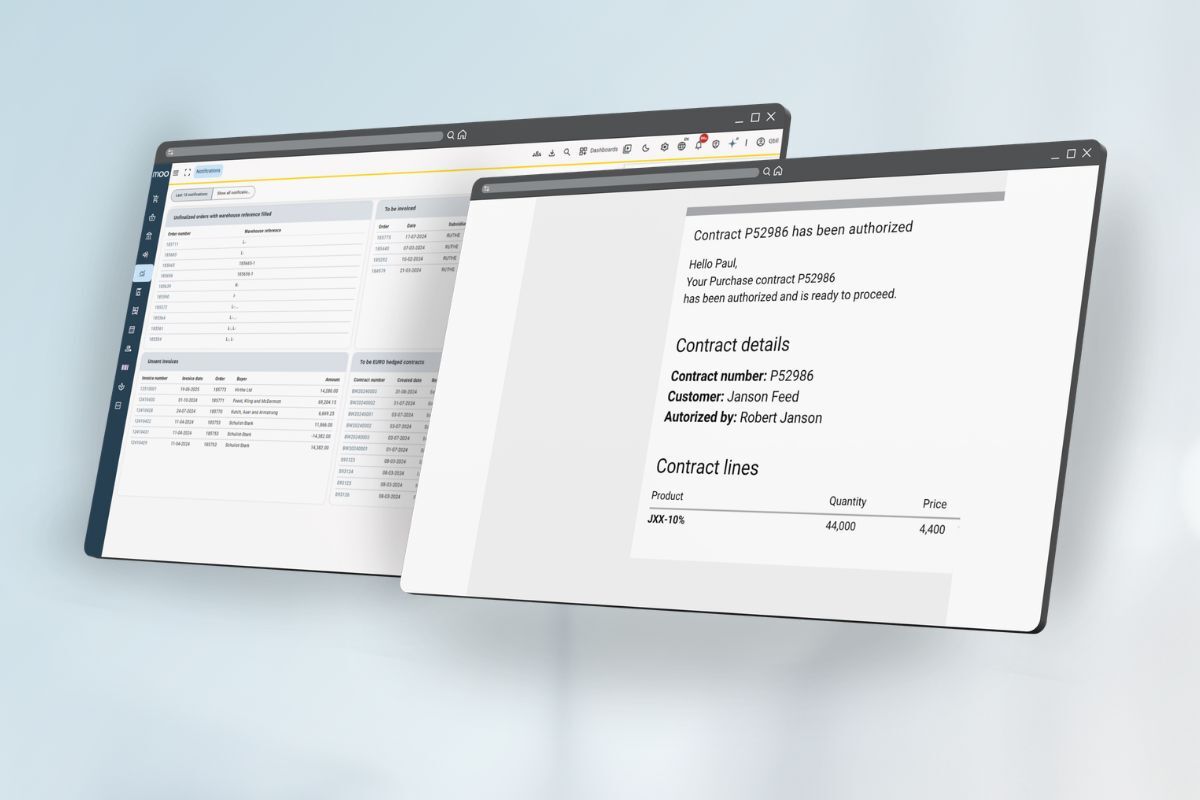
Modern ERP software for the dairy industry helps maintain these crucial relationships by providing real-time visibility into positions, contracts, and delivery schedules. This technological foundation enables the responsive, reliable service that builds lasting partnerships. When you’re ready to strengthen your relationship management capabilities, our team can help you implement systems that support professional trading operations. Contact us to discuss how proper software foundations enhance your ability to serve customers and suppliers effectively.
Frequently Asked Questions
How do you handle relationship management when a customer becomes a supplier or vice versa?
When roles switch, maintain separate communication channels for each relationship type and establish clear protocols for handling potential conflicts of interest. Document all agreements separately and ensure your team understands which capacity they're dealing with in each interaction. This dual-role management requires extra attention to confidentiality and fair treatment to preserve trust in both relationships.
What should you do when a long-term partner consistently pushes for prices that hurt your margins?
Address margin pressure directly by demonstrating your value-added services and market intelligence, then propose alternative arrangements like volume commitments, extended payment terms, or service bundling. If the partnership remains unprofitable, gradually reduce dependency while seeking new opportunities. Sometimes, transitioning a demanding customer to a competitor while maintaining goodwill preserves the relationship for future opportunities.
How can smaller dairy traders compete with larger companies for key supplier relationships?
Focus on providing personalized service, faster decision-making, and specialized expertise that larger competitors can't match. Offer flexible terms, custom solutions, and direct access to decision-makers. Build strong regional networks and leverage your agility to respond quickly to market changes. Many suppliers value the reliability and personal attention that smaller traders can provide.
What's the best way to recover a relationship after a significant quality or delivery failure?
Take immediate responsibility, provide a detailed root-cause analysis, and implement visible corrective measures to prevent recurrence. Offer appropriate compensation and consider accepting a smaller margin on the next few transactions to rebuild confidence. Follow up regularly to demonstrate your commitment to the relationship and provide extra transparency in your operations until trust is restored.
How do you maintain relationships when you can't match a competitor's pricing?
Shift the conversation from price to total value by highlighting your reliability, service quality, market insights, and problem-solving capabilities. Propose alternative contract structures like risk-sharing arrangements, longer-term commitments, or value-added services. If you still can't compete, maintain the relationship through smaller transactions or referrals, keeping the door open for future opportunities when market conditions change.
What are the warning signs that a trading relationship is deteriorating?
Watch for delayed payments, reduced communication frequency, last-minute order changes, increased quality complaints, or requests for additional documentation. Other red flags include pressure for unrealistic pricing, reluctance to commit to future contracts, or hearing through industry networks that they're actively seeking alternatives. Address these issues proactively through direct conversation rather than waiting for the relationship to end.
How should new dairy traders approach their first industry networking events?
Research attendees beforehand and identify key people you want to meet. Focus on listening and learning rather than selling, and ask thoughtful questions about market trends and challenges. Bring business cards and follow up within 48 hours with personalized messages referencing your conversations. Consider attending with an established trader who can provide introductions, and be prepared to discuss your background and unique value proposition concisely.