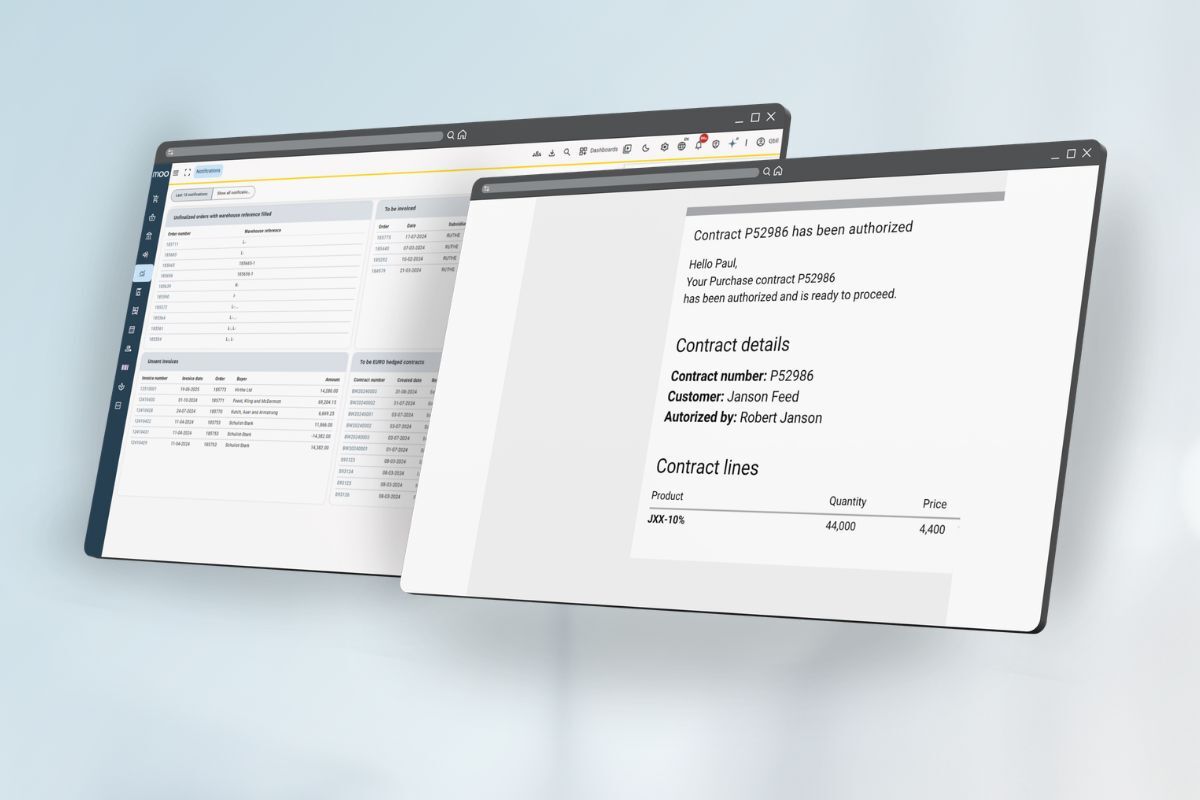

Small dairy trading companies can scale without hiring additional back-office staff by implementing specialized dairy trading software that automates manual processes, streamlines operations, and provides real-time visibility across all trading activities. This technology-driven approach enables businesses to handle higher trading volumes while maintaining lean administrative teams and protecting profit margins.
What are the biggest back-office bottlenecks that prevent dairy trading companies from scaling?
Manual contract management, Excel-based inventory tracking, and repetitive order processing create the most significant operational bottlenecks for growing dairy trading companies. These time-consuming tasks require constant staff attention and become increasingly error-prone as trading volumes expand.
Contract management presents particular challenges when traders handle dozens of agreements simultaneously. Each contract requires manual tracking of delivery schedules, pricing terms, and quantity commitments. Without automated systems, staff spend considerable time cross-referencing contracts against incoming orders and available inventory positions.
Order processing inefficiencies compound these problems. Manual entry of customer orders, supplier confirmations, and shipping instructions creates delays and increases the likelihood of costly mistakes. When trading commodities like milk powder or lactose, where margins are tight, even small errors can significantly impact profitability.
Inventory tracking complexities become overwhelming as businesses grow. Dairy ingredient traders must monitor multiple product grades, expiration dates, and storage locations while maintaining accurate position reports. Excel spreadsheets that worked for smaller operations quickly become inadequate for managing complex inventory movements and real-time position calculations.
How can dairy trading software automate repetitive back-office tasks?
Dairy trading software automates contract processing, order management, invoicing, and inventory updates through integrated workflows that eliminate manual data entry and reduce human error. These systems handle routine transactions automatically while providing real-time updates across all business functions.
Contract automation streamlines the entire agreement lifecycle. The software can automatically generate purchase and sales contracts based on predefined templates, track delivery schedules, and alert traders when contract milestones approach. This eliminates the need for manual contract monitoring and reduces the risk of missed deliveries or overlooked payment terms.
Order processing becomes significantly more efficient when automated systems connect customer orders directly to inventory positions and supplier contracts. The software can automatically match incoming orders with available stock, generate picking lists, and create shipping documentation without manual intervention.
Invoice processing automation handles the complex calculations common in dairy ingredient trading. The system can automatically apply pricing formulas, calculate quantity adjustments, and generate invoices based on actual deliveries. Integration with existing accounting systems ensures that financial transactions are processed automatically without duplicate data entry.
Real-time inventory updates provide continuous visibility into stock levels, committed quantities, and available positions. This automation eliminates the need for manual spreadsheet updates and provides traders with accurate information for making informed decisions about new orders and commitments.
What’s the difference between generic ERP systems and specialized dairy trading software?
Generic ERP systems require extensive customization to handle commodity trading workflows, while specialized dairy trading software includes built-in features for batch tracking, commodity pricing, and trading-specific processes. This specialization reduces implementation complexity and provides immediate functionality for dairy ingredient traders.
Traditional ERP solutions focus on manufacturing and retail operations, which don’t align well with the unique requirements of commodity trading. These systems typically lack features for managing trading positions, handling multiple pricing formulas, or tracking commodity-specific attributes like protein content or moisture levels.
Specialized dairy trading software is built to handle the nuances of ingredient trading from the ground up. These systems include functionality for managing bulk commodity transactions, tracking batch-specific quality parameters, and calculating complex pricing based on market indices or quality specifications.
Implementation timelines differ significantly between the two approaches. Generic ERP systems often require months of customization and configuration to support trading operations. Specialized trading platforms can typically be configured and operational within days, as they’re designed specifically around how dairy ingredient traders work.
The user experience also varies considerably. Generic systems present traders with complex interfaces designed for manufacturing workflows, while specialized software provides intuitive screens that match natural trading processes. This reduces training time and helps staff become productive more quickly.
How do successful dairy traders maintain growth without proportional staff increases?
Successful dairy traders achieve scalable growth by implementing automated workflows, establishing standardized processes, and using technology to handle routine tasks. This approach allows trading volume to increase significantly while maintaining lean back-office operations and preserving competitive margins.
Process standardization plays a crucial role in scalable operations. Successful traders develop consistent procedures for contract negotiation, order processing, and customer communication. When these processes are standardized and supported by appropriate technology, new team members can become productive quickly without extensive training.
Strategic technology adoption enables traders to handle more complex operations with existing staff levels. Modern trading software can manage thousands of transactions automatically, providing the operational capacity that would otherwise require significant staff increases.
Real-time visibility becomes increasingly important as operations scale. Successful traders invest in systems that provide instant access to position information, contract status, and inventory levels. This visibility allows decision-makers to respond quickly to market opportunities without requiring additional analytical staff.
Workflow optimization focuses on eliminating bottlenecks and redundant processes. Rather than adding staff to handle increased workload, successful traders identify process improvements that increase overall efficiency. This might involve automating routine communications, streamlining approval processes, or integrating previously separate systems.
The most successful dairy trading companies view technology as a strategic advantage rather than merely an operational tool. By choosing solutions designed specifically for their industry and implementing them effectively, these businesses can achieve substantial growth while maintaining the agility and cost structure that made them successful in the first place. Putting the right technology foundation in place early enables sustainable growth without the operational complexity that typically accompanies business expansion.
Frequently Asked Questions
How long does it typically take to implement specialized dairy trading software?
Most specialized dairy trading software can be implemented and operational within 2-4 weeks, compared to 3-6 months for customized ERP systems. The exact timeline depends on your data migration requirements, integration needs with existing accounting systems, and the complexity of your current trading processes. Many providers offer phased implementations that allow you to start using core features immediately while additional modules are configured.
What's the typical ROI timeline for investing in dairy trading automation?
Most dairy trading companies see positive ROI within 6-12 months of implementation. The primary savings come from reduced manual labor costs, fewer processing errors, and the ability to handle increased trading volumes without hiring additional staff. Companies often find that the software pays for itself through improved operational efficiency and the ability to take on more profitable trading opportunities.
Can dairy trading software integrate with our existing accounting system?
Yes, most modern dairy trading platforms offer robust integration capabilities with popular accounting systems like QuickBooks, SAP, and NetSuite. These integrations automatically sync transaction data, eliminate duplicate data entry, and ensure your financial records remain accurate and up-to-date. During implementation, your software provider will typically handle the integration setup and testing.
What happens to our data if we need to switch software providers in the future?
Reputable dairy trading software providers offer data export capabilities and will work with you to ensure smooth data migration if needed. Look for solutions that store data in standard formats and provide comprehensive export tools. Before selecting a provider, ask about their data portability policies and request examples of successful data migrations they've supported for other clients.
How do we handle staff training when implementing new trading software?
Most specialized dairy trading software is designed to be intuitive for industry professionals, requiring minimal training. Providers typically offer comprehensive onboarding programs including live training sessions, documentation, and ongoing support. Plan for 1-2 weeks of initial training for your core team, with most users becoming fully productive within a month of regular use.
What security measures should we look for in dairy trading software?
Essential security features include encrypted data transmission, role-based access controls, audit trails for all transactions, and regular automated backups. Look for providers that offer cloud hosting with enterprise-grade security certifications (like SOC 2 compliance) and multi-factor authentication. Your trading data contains sensitive pricing and customer information, so robust security should be a top priority in your selection process.
How do we determine if our trading volume justifies investing in specialized software?
If you're processing more than 50 transactions per month or spending more than 10 hours per week on manual back-office tasks, specialized software typically provides clear benefits. Calculate your current administrative costs (staff time, error corrections, missed opportunities) and compare against software costs. Most companies find the break-even point occurs when they're handling enough volume to keep one person busy with manual processes full-time.