
Maintaining profit margins in volatile dairy markets requires strategic risk management and real-time position monitoring. Successful dairy traders protect margins through hedging techniques, diversified contract portfolios, and dynamic pricing strategies that adapt to market fluctuations. The key lies in balancing competitive pricing with margin protection while continuously monitoring market indicators to support timely decision-making.
What causes dairy market volatility and how does it impact profit margins?
Dairy market volatility stems from seasonal production patterns, global supply-demand imbalances, weather disruptions, fluctuating feed costs, and regulatory changes across major producing regions. These factors create price swings that directly compress trader margins, particularly for ingredient traders operating on thin spreads between purchase and sale prices.
Seasonal patterns significantly influence dairy markets, with milk production naturally peaking during the spring months in the Northern Hemisphere. This creates predictable price cycles, but weather events can disrupt normal patterns. Drought conditions reduce feed quality and availability, forcing farmers to reduce herd sizes or supplement with expensive imported feed, ultimately affecting milk production costs.
Global supply and demand shifts create additional complexity. Changes in consumer preferences, economic conditions in major importing countries, or trade policy adjustments can rapidly alter market dynamics. For dairy ingredient traders, these shifts translate into margin pressure as they must balance contracted purchase prices with volatile spot-market sales opportunities.
Feed cost fluctuations represent one of the most direct impacts on dairy pricing. Since feed represents roughly 50-60% of milk production costs, commodity price changes in corn, soy, and other feed ingredients directly influence dairy prices. Traders must account for these cost pressures when negotiating contracts and managing their position exposure.
How do successful dairy traders protect their margins during market uncertainty?
Successful dairy traders employ diversified hedging strategies, including futures contracts, options, and forward sales agreements, to lock in margins before market movements erode profitability. They also optimise contract timing by staggering purchase and sale agreements across different delivery periods to reduce concentration risk.
Position management becomes crucial during volatile periods. Traders monitor their net exposure continuously, ensuring they maintain balanced positions between contracted purchases and confirmed sales. This prevents situations in which significant price movements create substantial losses on unmatched positions.
Geographic and product diversification helps spread risk across different markets and dairy categories. Rather than concentrating solely on milk powder or whey products, successful traders maintain portfolios spanning multiple dairy ingredients and source from various regional suppliers to avoid localised disruptions.
Contract structuring plays a vital role in margin protection. Experienced traders negotiate pricing mechanisms that adjust with market conditions, such as formula pricing based on published indices or escalation clauses that account for feed cost changes. This approach helps maintain margins even when underlying commodity costs shift significantly.
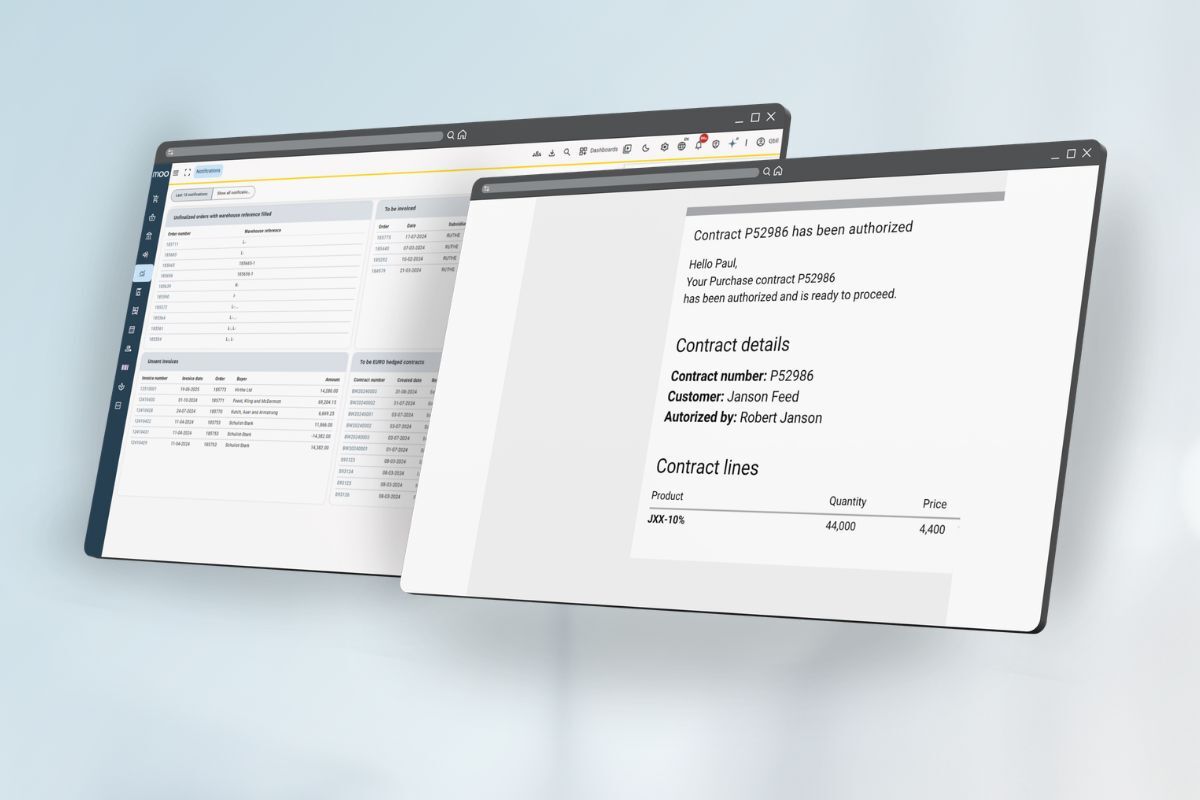
Modern ERP software for dairy industry operations enables traders to monitor positions in real time, providing the visibility needed to make quick hedging decisions when market conditions change rapidly.
What pricing strategies work best in volatile dairy commodity markets?
Dynamic pricing models that adjust to market conditions work most effectively in volatile dairy markets. These include cost-plus pricing with regular adjustments, formula-based pricing tied to published indices, and tiered pricing structures that account for volume commitments and delivery-timing flexibility.
Forward contracting strategies help stabilise margins by securing both purchase and sale prices for future delivery periods. Traders typically contract 60-80% of their expected volume several months ahead, leaving the remaining capacity for spot-market opportunities when conditions are favourable.
Margin-based pricing ensures profitability regardless of absolute price levels. This approach focuses on maintaining consistent spreads between purchase and sale prices rather than trying to predict market direction. Traders establish minimum margin requirements and adjust pricing accordingly when market volatility increases.
Price differentiation based on service levels allows traders to command premium margins for value-added services. This might include flexible delivery schedules, quality guarantees, or technical support that justifies higher pricing compared to commodity-level transactions.
Regular pricing reviews become essential during volatile periods. Rather than maintaining static pricing for extended periods, successful traders implement weekly or biweekly pricing adjustments based on current market conditions and their position exposure.
How can real-time market monitoring improve profit margin stability?
Real-time market monitoring enables proactive margin management by providing continuous visibility into price movements, position exposure, and profit-and-loss calculations. This allows traders to make immediate hedging decisions when market conditions threaten established margins, before losses accumulate.
Essential market indicators include futures prices for key dairy commodities, currency exchange rates for international transactions, and feed cost indices that influence production economics. Monitoring these indicators helps traders anticipate margin pressure before it materialises in their specific transactions.
Automated alert systems notify traders when positions exceed risk parameters or when market conditions create hedging opportunities. These systems can trigger notifications for price movements beyond predetermined thresholds, position imbalances, or margin-compression scenarios.
Position-monitoring dashboards provide instant visibility into net exposure across different products, delivery periods, and counterparties. This comprehensive view enables traders to identify concentration risks and take corrective action before market movements create significant losses.
Decision-making frameworks supported by real-time data help standardise responses to market volatility. Rather than making emotional decisions during stressful market conditions, traders can follow predetermined protocols based on current position exposure and market indicators.
The implementation process for comprehensive monitoring systems typically requires two to five days to establish full operational capability. Professional guidance during setup ensures all critical monitoring parameters are properly configured for optimal margin protection.
Managing profit margins in volatile dairy markets requires combining strategic risk management with operational excellence. The most successful traders maintain disciplined approaches to position management while leveraging technology for real-time visibility and decision support. This combination enables them to navigate market uncertainty while preserving profitability in challenging conditions.
Frequently Asked Questions
What's the minimum volume needed to effectively implement hedging strategies in dairy trading?
Most futures contracts require minimum positions of 44,000 pounds (20 metric tons) for dairy products, but effective hedging can start with smaller volumes using mini-contracts or OTC options. The key is ensuring hedging costs don't exceed 1-2% of your margin targets, which typically requires monthly volumes of at least 100-200 metric tons across your portfolio.
How quickly should I adjust my pricing when market volatility spikes?
During high volatility periods (price movements exceeding 5% daily), review pricing every 24-48 hours rather than weekly. However, avoid knee-jerk reactions to single-day moves. Implement a 'two-day rule' where significant pricing adjustments require confirmation of sustained market direction over consecutive trading sessions.
What are the most common mistakes new dairy traders make in volatile markets?
The biggest mistakes include over-hedging (protecting more than 100% of positions), chasing market momentum instead of maintaining disciplined margins, and failing to account for basis risk between futures prices and local cash markets. New traders also often neglect currency hedging on international transactions, which can erode margins even when commodity hedges work perfectly.
How do I calculate the optimal percentage of my portfolio to hedge versus leaving unhedged?
Start with hedging 60-70% of your confirmed positions, leaving 30-40% for opportunistic gains during favorable market moves. Adjust this ratio based on your risk tolerance and market outlook - increase hedging to 80-90% during extreme volatility or when margins are already compressed, and reduce to 40-50% when market conditions are stable and margins are healthy.
What specific market indicators should trigger immediate hedging decisions?
Key trigger indicators include: dairy futures moving more than 3% in a single session, corn prices changing more than 5% (affecting feed costs), currency fluctuations exceeding 2% on international positions, and weather forecasts predicting significant production disruptions in major dairy regions. Set automated alerts for these thresholds to enable rapid response.
How can small dairy trading operations compete with larger players during volatile periods?
Focus on niche markets and specialized products where larger traders have less presence, maintain closer relationships with regional suppliers for better pricing intelligence, and consider partnering with other small traders to pool hedging volumes. Leverage technology for real-time monitoring since this levels the playing field, and emphasize service quality over pure price competition.
What's the typical cost of implementing a comprehensive risk management system for dairy trading?
Basic monitoring systems start around $2,000-5,000 monthly for software and data feeds, while comprehensive solutions with automated hedging capabilities range from $10,000-25,000 monthly depending on trading volume and complexity. Most systems pay for themselves within 3-6 months through improved margin capture and reduced losses during volatile periods.