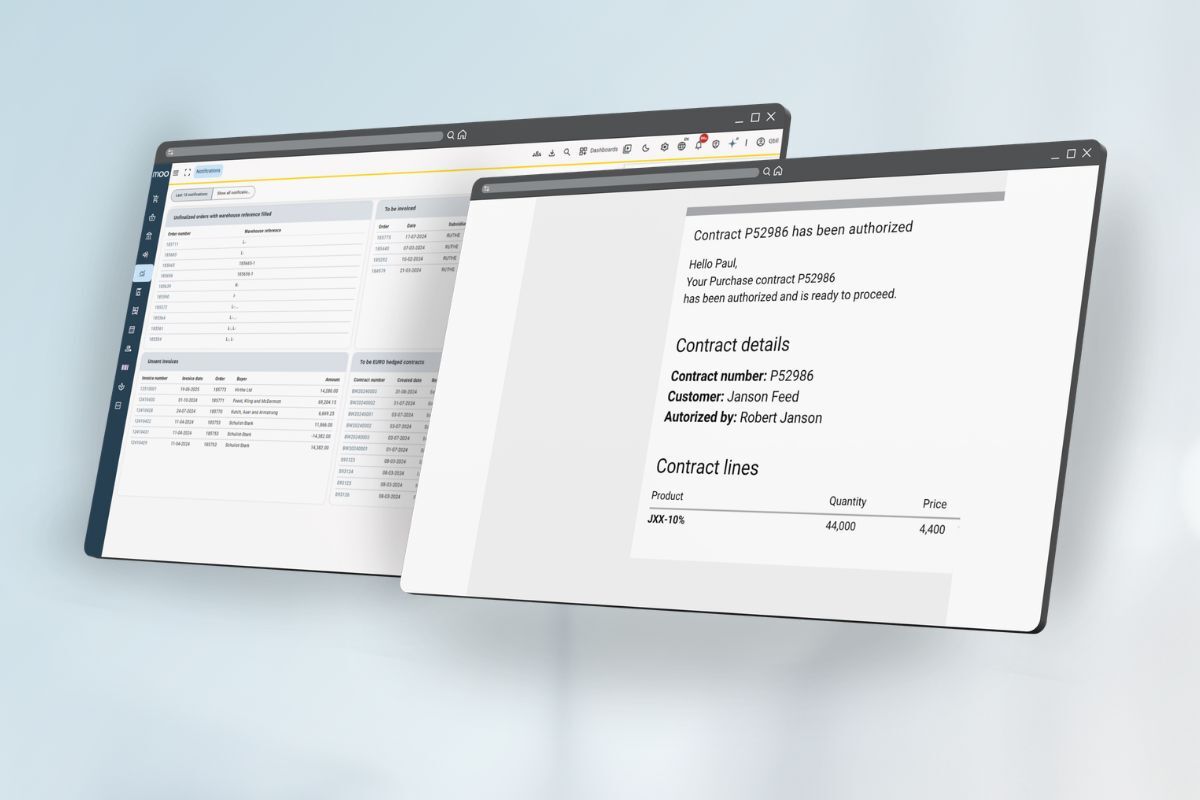

Position tracking in dairy ingredient trading involves monitoring your purchased versus sold quantities in real time to maintain profitable operations. Most traders track contracts, inventory levels, outstanding commitments, and delivery schedules to avoid exposure risk. Effective position management helps prevent losses in volatile dairy markets, where prices can shift rapidly throughout the day.
What does position tracking mean in dairy ingredient trading?
Position tracking means maintaining a real-time overview of your purchased quantities versus sold quantities across all dairy ingredient contracts. This includes monitoring outstanding purchase agreements, sales commitments, inventory on hand, and scheduled deliveries to understand your market exposure at any given moment.
In dairy ingredient trading, your position determines your financial risk and profit potential. When you’ve bought more than you’ve sold, you’re “long” and exposed to falling prices. When you’ve sold more than you’ve bought, you’re “short” and vulnerable to rising prices. Accurate position tracking helps you identify these imbalances before they become costly problems.
The complexity increases when dealing with multiple products, such as milk powder, whey, lactose, and butter, across different delivery periods. Each contract may have varying specifications, pricing mechanisms, and delivery schedules. Professional traders monitor positions continuously because dairy markets can move quickly, especially during seasonal fluctuations or supply disruptions.
Why do dairy traders struggle with position management?
Most dairy ingredient traders struggle with position management because they rely on Excel spreadsheets and manual tracking methods that can’t keep pace with their growing business. Information updates lag behind actual trading activity, creating dangerous blind spots in volatile markets.
Excel becomes problematic when handling multiple contracts with different delivery schedules, specifications, and pricing formulas. Manual entry errors are common, especially when traders are busy managing phone calls and emails with suppliers and customers throughout the day. A single mistake in quantity or pricing can lead to significant financial exposure.
The biggest challenge is the lack of real-time visibility. When you’re trading on thin margins, knowing your exact position instantly is crucial for making profitable decisions. Delayed information means missed opportunities or unexpected losses when market conditions change rapidly. Many traders only discover position imbalances during monthly reconciliations, by which time it is often too late to take corrective action.
How do you track positions manually versus using trading software?
Manual position tracking typically involves Excel spreadsheets in which traders record purchases, sales, and inventory movements separately, then calculate net positions periodically. Dairy trading software automates these calculations and provides real-time position updates as transactions are entered into the system.
Manual tracking requires a significant time investment and constant attention to detail. Traders must update multiple spreadsheets, cross-reference contract terms, and manually calculate exposure across different products and delivery periods. This approach works for smaller operations but becomes unmanageable as trading volumes increase.
Trading software solutions automatically calculate positions as you enter contracts, providing instant visibility into your market exposure. The software handles complex scenarios, such as partial deliveries, contract modifications, and multi-grade blending, that would require extensive manual calculations. Professional dairy trading software also integrates with accounting systems to ensure financial records match trading positions.
The key difference is accuracy and timeliness. Manual methods are prone to errors and delays, while software provides continuous monitoring with built-in validation checks. However, software requires initial setup and training, whereas Excel is immediately familiar to most traders.
What information do you need for effective position tracking?
Effective position tracking requires complete contract details, including quantities, specifications, pricing formulas, delivery schedules, and payment terms, for both purchases and sales. You also need current inventory levels, outstanding commitments, and any modifications or cancellations to existing agreements.
Essential data elements include the specific product grades and specifications, as dairy ingredients often have multiple quality parameters that affect pricing and usability. Delivery information is crucial because timing affects your position calculations, especially when contracts span multiple months or seasons.
Pricing information must include base prices, premiums, discounts, and any formula-based adjustments tied to market indices or quality specifications. Outstanding commitments encompass confirmed orders, provisional sales, and option contracts that could affect your future position.
Integration with inventory management ensures your position calculations reflect actual stock levels, not just paper transactions. This includes tracking products in transit, goods held at third-party facilities, and any quality holds or rejections that affect available quantities.
How often should dairy ingredient traders review their positions?
Dairy ingredient traders should review their positions at least daily, with many successful traders checking multiple times throughout the trading day. Market volatility, contract volumes, and business size all influence the optimal review frequency for maintaining profitable operations.
Daily position reviews help identify imbalances before they become significant problems. Morning reviews allow you to plan the day’s trading activities, while end-of-day assessments ensure all transactions are properly recorded and positions are accurately reflected.
High-volume traders, or those dealing in volatile markets, benefit from real-time position monitoring. When prices move quickly, knowing your exact exposure instantly enables better decision-making. Real-time tracking becomes essential when managing large positions or trading during periods of market uncertainty.
Smaller operations might manage with weekly detailed reviews supplemented by daily quick checks. However, even small traders should monitor positions more frequently during volatile periods or when approaching contract delivery dates. The key is establishing a routine that matches your trading activity and risk tolerance.
Professional traders understand that position management is not just about knowing where you stand today, but about anticipating future exposure as contracts mature and market conditions evolve. Regular reviews combined with proper tracking systems help maintain the visibility needed for profitable dairy ingredient trading. If you’re ready to move beyond manual tracking methods, contact us to learn how professional trading systems can improve your position management.
Frequently Asked Questions
How do I get started with implementing position tracking if I'm currently using only basic spreadsheets?
Start by standardizing your current Excel templates to include all essential data fields: contract details, quantities, delivery dates, and pricing formulas. Then establish a daily review routine to build the habit before transitioning to automated software. Consider starting with one product category to test your system before expanding to your full trading portfolio.
What happens if I discover a significant position imbalance during my daily review?
Act quickly to assess your options: you can offset the imbalance through new trades, adjust existing contract quantities if possible, or hedge your exposure using futures or options. Contact your regular trading partners immediately, as they may have complementary needs. Document the corrective actions taken to prevent similar imbalances in the future.
How do I handle position tracking when dealing with contracts that have flexible delivery windows?
Create position scenarios based on the earliest and latest possible delivery dates to understand your exposure range. Track these flexible contracts separately and update your calculations as delivery windows narrow. Use conservative assumptions in your daily planning, and maintain closer communication with counterparts to get advance notice of their delivery intentions.
Should I track positions differently for each dairy product type, or can I use one consolidated approach?
Track each product separately initially, as milk powder, whey, lactose, and butter have different market dynamics, storage requirements, and customer bases. Once you're comfortable with individual product tracking, you can create consolidated views for overall business exposure. Different products may require different review frequencies based on their volatility and your trading volumes.
What are the most common mistakes traders make when starting position tracking?
The biggest mistakes include not updating positions immediately after trades, failing to account for partial deliveries or contract modifications, and neglecting to include inventory in transit. Many traders also underestimate the importance of tracking provisional sales and option contracts, which can significantly impact actual positions when exercised.
How do I calculate my position exposure when contracts have complex pricing formulas tied to market indices?
Focus on the quantity exposure first, then apply current market prices for immediate risk assessment. For formula-based contracts, track the underlying index values and calculate exposure at current levels, but also model scenarios with potential price movements. Consider the timing of price fixes and delivery schedules, as these affect when your exposure crystallizes into actual profit or loss.