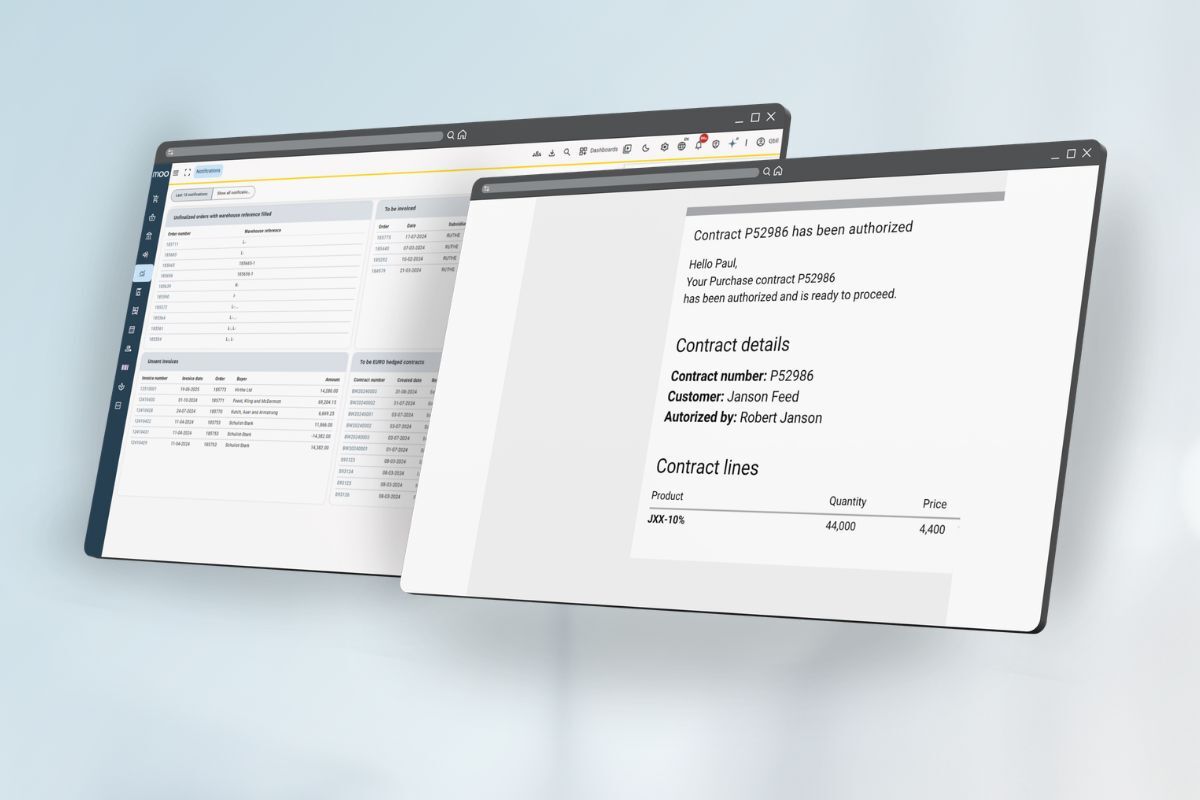

Dairy ingredient traders calculate profit on a deal by determining the difference between their selling price and total costs, including the purchase price, logistics, storage, quality testing, and risk management expenses. Successful traders track both gross margins and net profits while managing currency fluctuations, timing risks, and market volatility. Modern software per il commercio di latticini helps automate these complex calculations and provides real-time position tracking for accurate profitability analysis.
What factors determine profit margins in dairy ingredient trading?
Profit margins in dairy ingredient trading depend on six critical variables: purchase price, selling price, transportation costs, storage fees, quality premiums or discounts, and currency fluctuations. The purchase price forms your baseline cost, while the selling price determines your potential revenue. However, the gap between these two figures doesn’t represent your actual profit.
Transportation costs can significantly impact margins, especially when dealing with international shipments of products like milk powder or lactose. These costs include freight, insurance, and customs duties. Storage fees accumulate when you hold inventory between purchase and sale, particularly for temperature-sensitive dairy ingredients that require specialised facilities.
Quality premiums and discounts directly affect your final selling price. Dairy ingredients with superior protein content or lower moisture levels often command premium prices, while products that don’t meet specifications may require discounts. Currency fluctuations add another layer of complexity, as many dairy ingredient deals involve multiple currencies and extended payment terms.
Timing factors also influence profitability. Market prices for dairy commodities fluctuate daily, so the timing of your purchase and sale can make the difference between a profitable deal and a loss. Software per il commercio di latticini helps traders monitor these variables in real time, ensuring they maintain accurate profit calculations throughout the deal lifecycle.
How do dairy traders calculate the true cost of a commodity deal?
The true cost of a dairy commodity deal extends far beyond the base commodity price and includes logistics, insurance, quality testing, storage, financing costs, and administrative expenses. Smart traders calculate their “landed cost” by adding all these components to determine their actual investment per unit.
Logistics costs encompass freight charges, handling fees, and customs clearance expenses. For a 100,000-kilo shipment of milk powder from Europe to Asia, these costs might represent 5–15% of the commodity value. Insurance protects against loss or damage during transit, typically costing between 0.1–0.3% of the shipment value.
Quality testing ensures products meet specifications before delivery. Independent laboratory testing can cost several hundred pounds per batch but prevents costly rejections. Storage costs accumulate daily, particularly for products requiring climate-controlled environments.
Financing costs reflect the interest on capital tied up in inventory. If you purchase ingredients three months before delivery, you’re essentially lending money interest-free to your buyer. Administrative expenses include documentation, communication, and staff time spent managing the transaction.
Modern trading systems help calculate these cumulative costs automatically. Our software implementation typically includes cost-tracking modules that capture all these variables, providing traders with accurate deal profitability from day one.
What’s the difference between gross margin and net profit in dairy ingredient trading?
Gross margin represents the difference between the selling price and the purchase price, while net profit accounts for all operational costs, including logistics, storage, financing, and administrative expenses. Both metrics serve essential but different purposes in commodity trading decision-making.
Gross margin provides a quick assessment of deal attractiveness. If you purchase milk powder at £2,500 per tonne and sell at £2,700 per tonne, your gross margin is £200 per tonne, or 8%. This metric helps you compare opportunities rapidly and negotiate effectively with suppliers and customers.
Net profit reveals your actual return after all costs. Using the same example, if logistics cost £80 per tonne, storage costs £30 per tonne, testing costs £15 per tonne, and administrative expenses are £25 per tonne, your net profit drops to £50 per tonne, or 2%. This dramatic difference explains why many traders struggle despite seemingly attractive gross margins.
Successful traders use gross margins for quick deal evaluation and market positioning, while relying on net profit calculations for actual business decisions. Gross margins help determine competitive pricing, while net profits guide inventory management, customer selection, and business growth strategies.
Understanding both metrics prevents the common mistake of accepting deals with attractive gross margins that ultimately lose money after all costs. Professional trading software tracks both calculations simultaneously, ensuring traders maintain profitability awareness throughout their operations.
How do successful dairy ingredient traders manage pricing risks?
Successful dairy ingredient traders manage pricing risks through hedging strategies, careful contract timing, portfolio diversification, and continuous market monitoring. These techniques protect profit margins from the volatility inherent in dairy commodity markets.
Hedging involves using financial instruments to offset price movements in your physical positions. If you’ve sold milk powder for delivery in three months but haven’t yet purchased it, you face the risk of rising prices. Forward contracts or futures can lock in purchase prices, protecting your margin regardless of market movements.
Contract timing requires balancing market opportunities with risk exposure. Experienced traders avoid excessive exposure to single delivery periods or price points. They might split large orders across multiple months or negotiate price-adjustment mechanisms that share risk with customers.
Diversification spreads risk across different products, regions, and time periods. Rather than concentrating on milk powder alone, successful traders might handle various dairy ingredients, plant-based alternatives, and different geographic markets. This approach reduces dependence on any single market segment.
Continuous market monitoring helps identify trends and opportunities early. Professional traders track global dairy prices, weather patterns affecting milk production, regulatory changes, and currency movements. This information guides timing decisions and risk management strategies.
Modern trading platforms integrate market data feeds and risk management tools, helping traders monitor exposure and implement protection strategies efficiently. If you’re looking to improve your risk management capabilities, we’d be happy to discuss how integrated trading software can support your specific requirements.
Calculating profit in dairy ingredient trading requires careful attention to multiple cost components and risk factors. While gross margins provide quick deal assessment, net profit calculations reveal true profitability after all operational expenses. Success depends on understanding these metrics, managing pricing risks effectively, and maintaining accurate real-time visibility of your trading positions throughout each deal’s lifecycle.
Domande Frequenti
What percentage of the commodity value should I budget for total logistics and operational costs?
Most experienced dairy ingredient traders budget 8-20% of the commodity value for total operational costs, including logistics, storage, testing, and administrative expenses. The exact percentage depends on trade routes, product types, and storage duration. International shipments typically require higher budgets than domestic trades.
How can I start implementing hedging strategies if I'm new to dairy ingredient trading?
Begin with simple forward contracts to lock in purchase or sale prices for your largest positions. Start small with 25-50% of your exposure until you understand the mechanics. Consider working with a commodity broker who can explain futures contracts and options strategies specific to dairy markets.
What's the biggest mistake new dairy traders make when calculating deal profitability?
The most common mistake is focusing only on gross margins while underestimating operational costs, particularly storage and financing expenses. Many new traders also fail to account for currency fluctuation risks on international deals, which can quickly erode seemingly profitable margins.
How frequently should I recalculate profit margins on open positions?
Recalculate margins daily for active positions, especially those with significant market exposure or long delivery timeframes. Weekly calculations suffice for smaller, short-term deals. Use real-time market data and update storage costs monthly to maintain accuracy.
What key performance indicators should I track beyond basic profit margins?
Track inventory turnover rates, average holding periods, cost-per-transaction ratios, and customer profitability metrics. Monitor your win rate (percentage of profitable deals) and average profit per tonne. These metrics help identify operational inefficiencies and guide strategic decisions.
How do I handle deals where quality testing reveals products don't meet specifications?
Negotiate quality discounts based on the specific deficiencies and market conditions for off-spec products. Factor these potential discounts into your initial profit calculations using historical data. Establish clear quality clauses in contracts and maintain relationships with buyers who accept various quality grades.
What should I do if currency fluctuations are significantly impacting my profit margins?
Consider currency hedging through forward contracts or options for deals exceeding 30-60 days. Some traders negotiate contracts in their base currency or include currency adjustment clauses. For smaller operations, factor a 2-5% currency risk buffer into your profit calculations.