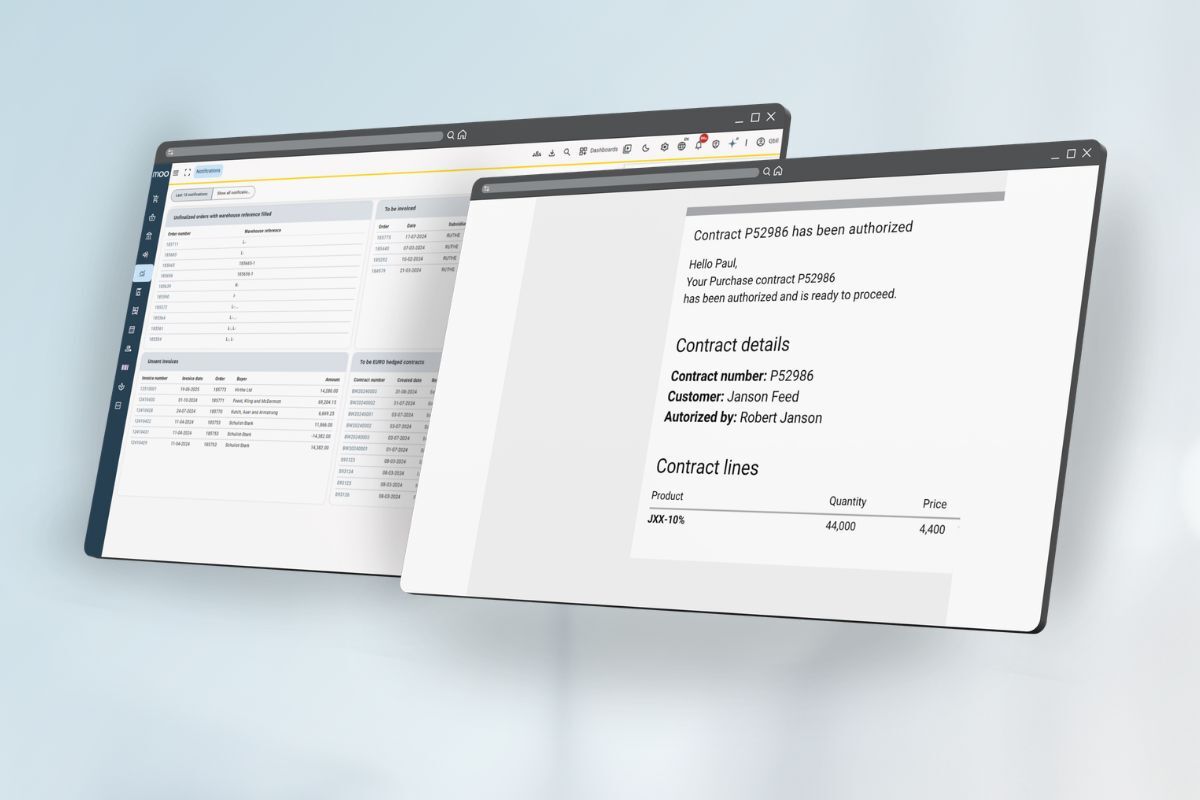

Dairy trading businesses operate in a complex environment that requires far more sophisticated software than standard accounting solutions. While accounting software tracks financial transactions, dairy trading involves managing contracts, monitoring real-time positions, handling bulk commodities, and navigating interconnected supplier-customer relationships that change constantly throughout the trading cycle.
What makes dairy trading different from regular business operations?
Dairy trading operates fundamentally differently from typical business models because it involves managing complex contract lifecycles, tracking positions across multiple simultaneous deals, and handling bulk commodity deliveries that span weeks or months. Unlike standard retail or service businesses, dairy traders work in an interconnected network where today’s customer becomes tomorrow’s supplier, requiring sophisticated relationship management and real-time position tracking.
The complexity extends beyond simple buy-sell transactions. When a dairy trader agrees to sell 100,000 kilos of milk powder, that contract typically involves multiple delivery batches, quality specifications, pricing mechanisms tied to market indices, and logistics coordination across international borders. Each contract requires ongoing management throughout its lifecycle, with positions constantly shifting as new deals are made and deliveries are completed.
Software per il commercio di latticini addresses these unique challenges by providing contract lifecycle management, real-time position tracking, and integrated logistics coordination that standard business software simply cannot handle. The interconnected nature of dairy trading relationships means that a single transaction can impact multiple contracts, suppliers, and customers simultaneously, requiring sophisticated tracking capabilities that go far beyond traditional accounting functions.
Why can’t accounting software handle your trading operations effectively?
Accounting software fundamentally lacks the real-time position tracking, contract lifecycle management, and trading relationship complexity that dairy trading businesses require daily. These systems are designed to record completed financial transactions, not manage ongoing contracts, track commodity positions, or handle the dynamic nature of trading operations, where positions change constantly throughout each trading day.
The limitations become apparent when trying to answer critical trading questions: How much milk powder do I have committed versus sold? What’s my exposure if market prices change? Which contracts are due for delivery next week? Accounting software cannot provide these real-time insights because it’s built around historical financial recording, not forward-looking position management.
Trading operations require integrated logistics management, quality specification tracking, and the ability to manage contracts where pricing, delivery terms, and quantities may change multiple times before completion. Accounting software treats each transaction as a discrete event, while trading requires understanding the relationships between multiple interconnected contracts and their impact on the overall business position.
The inability to manage complex trading relationships becomes particularly problematic in dairy trading, where the same entity often serves as both customer and supplier across different contracts. This dual-relationship dynamic requires sophisticated tracking that accounting software simply cannot provide.
What specific challenges do dairy traders face that Excel can’t solve?
Excel reaches its breaking point when dairy trading businesses grow beyond basic operations because it cannot maintain data integrity across multiple users, provide real-time collaboration, or scale to handle hundreds of simultaneous contracts without significant risks of manual errors. The spreadsheet approach that works for small-scale trading becomes dangerous as volume increases and more team members need access to critical trading information.
Data integrity problems emerge when multiple traders work with separate Excel files or different versions of the same spreadsheet. Contract details, delivery schedules, and position calculations become inconsistent across the team, leading to costly errors in position management and delivery coordination. The manual nature of Excel updates means that critical information often becomes outdated quickly in fast-moving trading environments.
Scalability issues become apparent as trading volume grows. Managing hundreds of contracts across multiple commodities, currencies, and delivery schedules requires automated calculations and integrated workflows that Excel cannot provide. The time spent on manual data entry and reconciliation grows exponentially with business size, reducing the time available for actual trading activities.
Real-time collaboration becomes impossible when team members work with local Excel files. Trading decisions require immediate access to current position information, contract status, and delivery schedules. The delays inherent in Excel-based systems can result in missed opportunities or dangerous position exposure that traders don’t recognize until it’s too late.
How does specialized trading software transform daily operations?
Specialized software per il commercio di latticini transforms daily operations by providing automated contract tracking, real-time position management, integrated logistics coordination, and seamless connections with existing accounting systems. This integration eliminates manual data entry, reduces errors, and provides the real-time visibility that trading businesses need to operate safely and profitably in volatile commodity markets.
Automated contract tracking means that every aspect of a trading agreement, from initial negotiation through final delivery, is managed within a single system. Price adjustments, delivery schedule changes, and quality specifications are automatically updated across all related documents and reports. This automation eliminates the manual tracking that consumes so much time in Excel-based operations.
Real-time position management provides instant visibility into overall business exposure across all contracts and commodities. Traders can immediately see their net position, understand the impact of potential new deals, and make informed decisions about market exposure. This real-time capability is essential for managing the thin margins typical in dairy trading.
The integration with existing accounting systems means that financial information flows automatically from trading operations into accounting records, eliminating duplicate data entry and ensuring consistency between operational and financial reporting. This connection provides the complete business picture that growing trading companies need for effective management.
Professionale implementation and support ensures that teams can transition smoothly from Excel-based operations to integrated trading platforms. With proper setup and training, most dairy trading businesses find their new environment operational within days rather than months, allowing them to focus on trading rather than software management.
The transformation from basic accounting software and Excel to specialized trading platforms represents a fundamental shift from reactive record-keeping to proactive business management. For growing dairy trading businesses, this change often marks the difference between struggling with manual processes and confidently scaling operations. If you’re ready to explore how specialized trading software can transform your dairy trading operations, the investment in proper systems typically pays for itself through improved efficiency and reduced risk exposure.
Domande Frequenti
How long does it typically take to implement specialized dairy trading software?
Most dairy trading businesses can have their new trading platform operational within 2-4 weeks with proper implementation support. The timeline depends on data migration complexity and team training requirements, but unlike generic software implementations that can take months, specialized trading platforms are designed for rapid deployment to minimize business disruption.
What happens to our existing contract data when we transition from Excel?
Professional implementation includes comprehensive data migration services that transfer your existing contracts, supplier relationships, and historical trading data into the new system. Most platforms can import Excel data directly, preserving your trading history while establishing the foundation for automated future operations.
Can trading software integrate with our current accounting system?
Yes, modern dairy trading platforms are designed to integrate seamlessly with popular accounting systems like QuickBooks, Xero, and SAP. This integration automatically transfers transaction data, eliminating duplicate entry while maintaining the detailed trading information your accounting system cannot provide.
How do we handle the learning curve when switching from Excel to trading software?
Most teams find specialized trading software more intuitive than complex Excel spreadsheets because the interface is designed specifically for trading workflows. Professional training typically takes 1-2 days, and ongoing support ensures your team can leverage advanced features as they become more comfortable with the platform.
What if we have unique contract terms or trading relationships that standard software can't handle?
Quality trading software platforms offer customization capabilities to accommodate unique contract structures, pricing mechanisms, and relationship types common in dairy trading. The key is working with providers who understand dairy trading complexities and can configure the system to match your specific business processes.
How much should we expect to invest in specialized trading software?
Investment varies based on business size and feature requirements, but most dairy trading businesses find the cost is offset by efficiency gains within 3-6 months. Consider the time currently spent on manual tracking, error correction, and missed opportunities – specialized software typically pays for itself through operational improvements and risk reduction.
What are the biggest risks of continuing with Excel-based trading operations?
The primary risks include position miscalculations leading to market exposure, delivery coordination failures, and data inconsistencies across team members. As trading volume grows, these risks compound exponentially, potentially resulting in significant financial losses that far exceed the cost of proper trading software implementation.