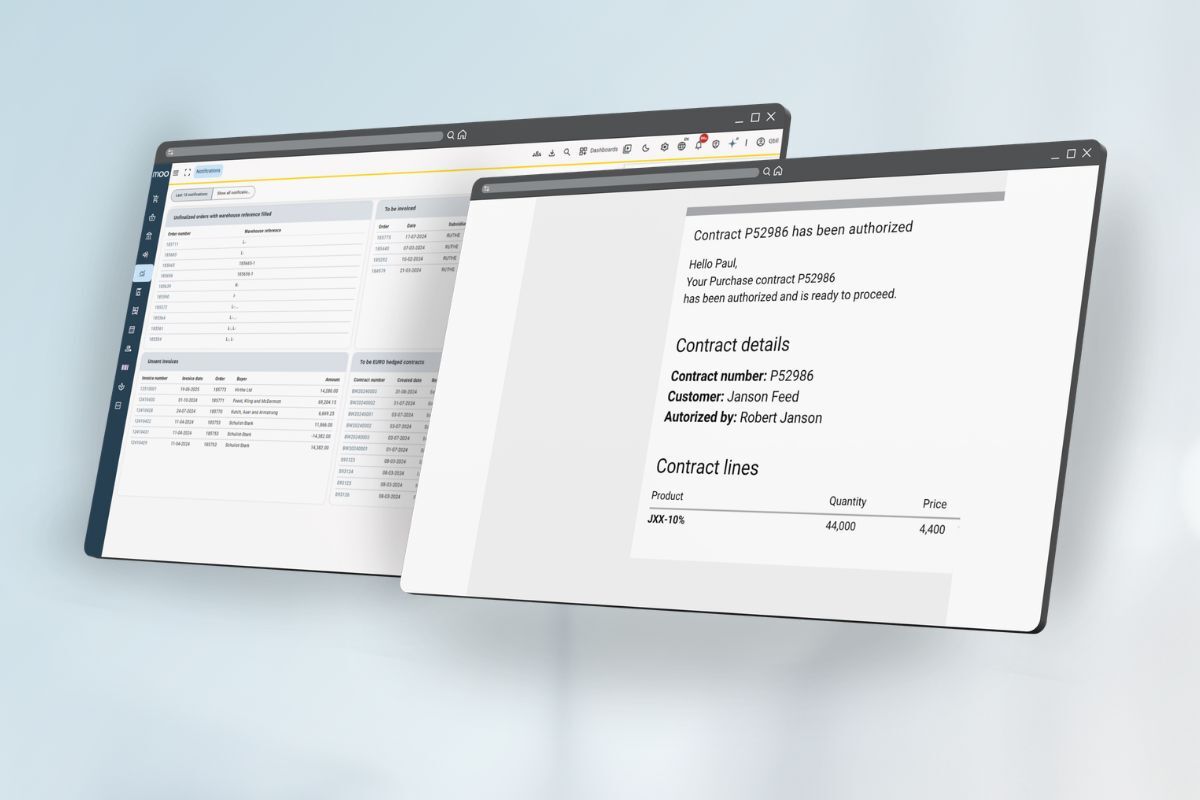

Dairy traders often make critical scaling mistakes that can severely impact business growth and profitability. The most common errors include inadequate position management systems, poor contract oversight, and reliance on outdated technology such as Excel as trading volumes increase. These fundamental mistakes prevent successful scaling and can lead to significant financial losses when manual processes break down under the pressure of expanded operations.
What are the most common mistakes dairy traders make when growing their business?
The primary mistakes include inadequate systems infrastructure, poor position management, and neglecting operational processes as trading volumes expand. Many traders continue using manual methods that work for smaller operations but fail catastrophically at scale.
Most dairy traders underestimate the complexity that comes with growth. When you’re handling larger volumes of dairy ingredients such as milk powder, lactose, or whey protein, the margin for error decreases significantly. Manual tracking systems that work for 10 contracts per month become unmanageable when dealing with 50 or 100 contracts simultaneously.
Another critical mistake is failing to establish proper operational infrastructure before scaling. Traders often focus solely on securing more contracts without building the systems needed to manage increased complexity. This includes inadequate staff training, poor communication protocols with suppliers and customers, and insufficient quality control processes.
The financial consequences can be severe. Without proper oversight, traders lose track of delivery schedules, quality specifications, and payment terms. This leads to contract disputes, delayed payments, and damaged relationships with trading partners who expect professional service regardless of business size.
Why do dairy traders struggle with position management during rapid growth?
Manual tracking systems break down completely when trading volumes increase beyond manageable limits. Traders lose real-time visibility into their buy-sell positions, creating dangerous exposure and margin erosion that can threaten business survival.
Position management becomes exponentially more complex as your trading operation grows. When you’re managing multiple contracts for the same commodity with different delivery dates, prices, and specifications, Excel spreadsheets simply cannot provide the real-time overview needed for safe trading. Visibilità della posizione in tempo reale becomes crucial when operating on the thin margins typical of dairy ingredient trading.
The risks multiply quickly during rapid growth phases. Without proper position management, traders may unknowingly oversell their available inventory or double-book deliveries. This creates costly situations in which you must source emergency supplies at premium prices, completely eliminating profit margins on affected contracts.
Many traders discover too late that they’ve lost control of their positions. By the time discrepancies become apparent, significant financial damage has already occurred. The interconnected nature of dairy trading, in which customers often serve as suppliers, means position management errors can cascade through your entire network of trading relationships.
How does poor contract management impact scaling dairy trading operations?
Contract complexity challenges multiply exponentially during scaling, creating delivery scheduling conflicts and quality specification tracking issues. When trading volumes outgrow manual management capabilities, contract oversight becomes nearly impossible, leading to costly disputes and operational chaos.
As your dairy trading operation expands, contract management becomes significantly more sophisticated. You’re no longer dealing with simple buy-sell agreements but with complex arrangements involving multiple delivery schedules, varying quality specifications, and interconnected dependencies between contracts. Contract complexity increases when you start offering value-added services such as blending, repacking, or custom formulations to differentiate your business.
Poor contract management creates a domino effect throughout your operation. Missed delivery dates affect multiple downstream contracts, quality specification errors can result in rejected shipments, and unclear payment terms lead to cash flow problems. These issues become magnified when you’re handling larger volumes and more contracts simultaneously.
The administrative burden alone can overwhelm growing trading operations. Without proper Software ERP per l'industria lattiero-casearia operations, tracking contract modifications, delivery confirmations, and quality certificates becomes a full-time job that diverts attention from actual trading activities. This administrative overload often leads to errors that could have been prevented with proper systems.
What technology mistakes prevent dairy traders from scaling successfully?
Excel limitations, lack of system integration, manual data entry errors, and delayed investment in proper trading software create significant barriers to successful scaling. These technology mistakes compound quickly, creating operational bottlenecks that prevent efficient growth.
The biggest technology mistake is clinging to Excel long after it becomes inadequate for your operation’s needs. While Excel works well for basic tracking, it cannot handle the complexity of modern dairy ingredient trading. Integration limitations mean data exists in isolated spreadsheets, making it impossible to get comprehensive overviews of your entire operation.
Manual data entry errors multiply as trading volumes increase. When the same information must be entered into multiple systems or spreadsheets, mistakes become inevitable. These errors can affect pricing, delivery schedules, and quality specifications, leading to costly corrections and damaged customer relationships.
Many traders delay investing in proper technology until problems become critical. This reactive approach often means implementing solutions during crisis situations rather than through planned transitions. The hidden costs of not investing in appropriate systems include lost opportunities, operational inefficiencies, and the stress of managing complex operations with inadequate tools.
The transition to professional trading software becomes more challenging the longer you wait. Implementation and onboarding processes require time and resources, but delaying this investment often means facing more complex data migration and change management challenges later.
Successful dairy trading operations require robust systems that can handle growth efficiently. The key is recognising when your current methods are approaching their limits and investing in proper infrastructure before problems become critical. Professional trading software designed specifically for dairy and ingredient trading can provide the foundation needed for sustainable growth while maintaining the operational control essential for profitable trading.
If you’re experiencing any of these scaling challenges in your dairy trading operation, consider exploring how specialised trading software can support your growth objectives. Contattaci to discuss how proper systems can help you scale successfully while maintaining control over your trading positions and contracts.
Domande Frequenti
How do I know when my current systems are no longer adequate for my dairy trading operation?
Key warning signs include spending more than 2-3 hours daily on manual data entry, frequent errors in position tracking, difficulty getting real-time overviews of your contracts, and stress when handling routine operations. If you're regularly working late to reconcile spreadsheets or have experienced contract disputes due to tracking errors, it's time to upgrade your systems.
What's the typical timeline for implementing professional trading software in a dairy operation?
Most implementations take 4-8 weeks depending on your operation's complexity and data migration requirements. The process includes system setup, data migration from existing spreadsheets, staff training, and parallel testing before full deployment. Planning the transition during slower trading periods helps minimize disruption to ongoing operations.
Can I continue using Excel for some functions while transitioning to professional trading software?
While possible during the transition phase, maintaining dual systems increases error risk and defeats the purpose of integration. Professional trading software should eventually replace Excel for all trading functions including position management, contract tracking, and reporting. The goal is to have all trading data in one integrated system for maximum efficiency and accuracy.
What's the biggest risk of delaying investment in proper trading systems?
The primary risk is catastrophic operational failure during peak trading periods when manual systems become completely overwhelmed. This can result in significant financial losses, damaged customer relationships, and missed opportunities. Additionally, the longer you wait, the more complex and expensive the eventual transition becomes due to increased data volume and operational dependencies.
How do I justify the cost of professional trading software to stakeholders?
Calculate the hidden costs of manual systems including time spent on data entry, errors requiring corrections, missed opportunities due to poor visibility, and stress-related inefficiencies. Professional software typically pays for itself within 6-12 months through improved efficiency, reduced errors, and better trading decisions. Focus on ROI rather than just the upfront investment cost.
What happens to my existing data when implementing new trading software?
Professional implementation includes comprehensive data migration from your existing spreadsheets and systems. Historical trading data, customer information, supplier details, and contract records are transferred and validated in the new system. Most providers offer data cleanup services to ensure accuracy and completeness during the migration process.
How can I prevent my team from resisting the change to new trading software?
Involve key team members in the software selection process and emphasize how the new system will make their jobs easier rather than more complicated. Provide comprehensive training and maintain the old system temporarily for reference. Highlight specific pain points the new software will solve and celebrate early wins to build momentum and confidence.