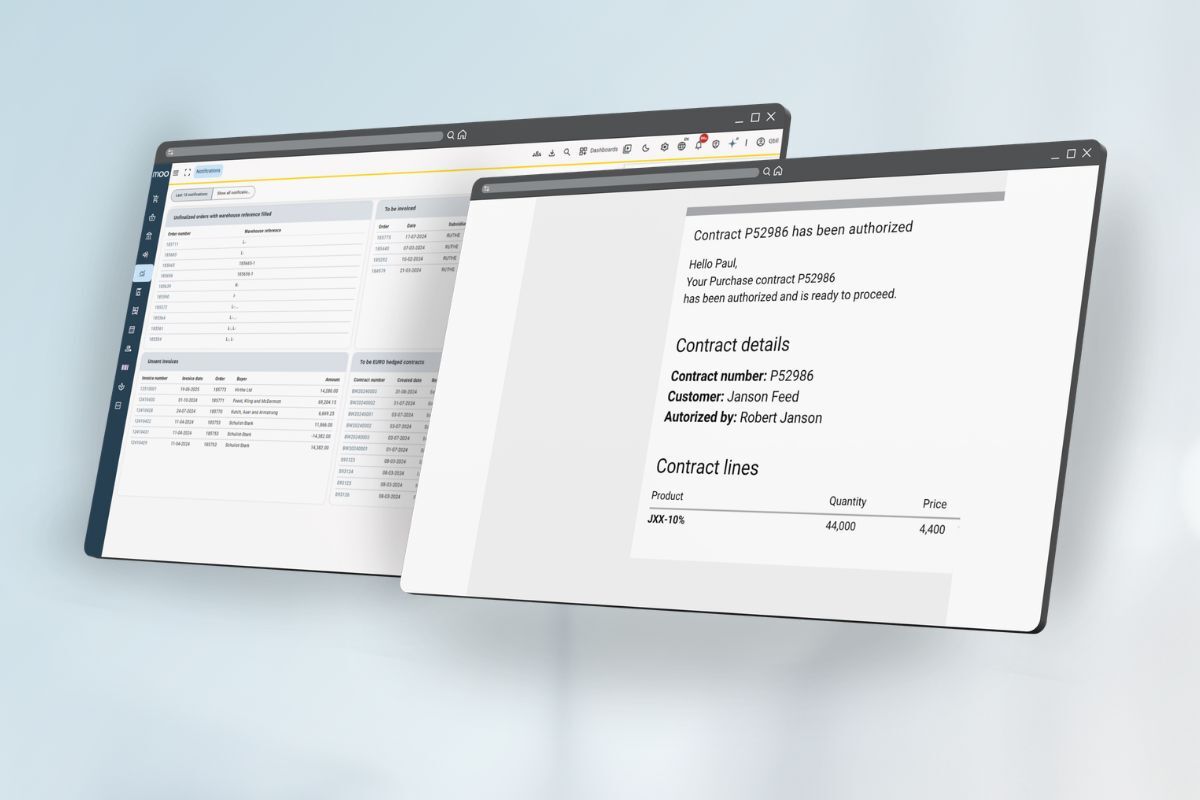

Dairy ingredient traders are switching from generic ERP systems like Exact and AFAS to specialized trading software because these traditional platforms lack essential features for commodity trading operations. Generic systems struggle with real-time position tracking, contract-to-delivery management, and the unique workflows that define ingredient trading businesses. This shift addresses fundamental operational challenges that standard business software simply cannot handle effectively.
What challenges do dairy traders face with generic ERP systems like Exact and AFAS?
Generic ERP systems create significant operational bottlenecks for dairy ingredient traders because they are designed for traditional manufacturing or retail businesses, not commodity trading. These platforms lack the specialized functionality needed to manage complex trading positions, multi-stage contract fulfillment, and the rapid decision-making required in volatile ingredient markets.
The most pressing challenge involves position tracking, where traders need real-time visibility into what they have bought versus what they have sold across multiple contracts and delivery schedules. Exact and AFAS treat inventory as static warehouse stock rather than dynamic trading positions that change throughout contract lifecycles. This fundamental mismatch forces traders to maintain parallel spreadsheet systems, defeating the purpose of having integrated business software.
Contract management presents another major hurdle. Dairy ingredient trading involves complex agreements with multiple delivery dates, price adjustments, quality specifications, and quantity tolerances. Generic ERP systems handle basic purchase orders and sales orders, but they cannot manage the sophisticated contract structures that govern ingredient trading relationships.
The workflow disconnect becomes particularly problematic during busy trading periods. When market conditions shift rapidly, traders need immediate access to their exposure across all positions. Generic systems require multiple screens, manual calculations, and often external tools to provide this critical information, slowing decision-making when speed matters most.
Why don’t traditional ERP systems understand dairy ingredient trading workflows?
Traditional ERP systems are fundamentally designed around manufacturing and retail business models that operate very differently from commodity trading operations. These systems assume linear processes in which you purchase raw materials, transform them into products, and sell finished goods through predictable channels.
Dairy ingredient trading operates on entirely different principles. Traders often buy and sell the same products simultaneously, managing risk through position balancing rather than inventory accumulation. A trader might sell 100 tonnes of milk powder while having only 60 tonnes contracted for purchase, planning to cover the remaining 40 tonnes based on market movements. This approach is completely foreign to traditional ERP logic.
The transaction types in ingredient trading also differ significantly from standard business operations. Commodity trading involves forward contracts, basis pricing, quality premiums and discounts, currency hedging, and multiple delivery schedules within single agreements. Generic ERP systems handle simple buy-low-sell-high transactions but struggle with the sophisticated financial instruments that ingredient traders use daily.
Inventory management represents another fundamental difference. Traditional businesses track physical stock in warehouses, but ingredient traders manage positions that exist over time, with products moving directly from suppliers to customers. The concept of “virtual inventory” through contract positions does not translate to standard ERP inventory modules.
Timing also operates differently in trading environments. Manufacturing ERP systems work with production schedules and planned inventory levels, while trading requires instant position updates and real-time profit-and-loss calculations as market prices fluctuate throughout the day.
What specific features do dairy traders need that Exact and AFAS can’t provide?
Dairy ingredient traders require specialized functionality that addresses the unique aspects of commodity trading operations. The most critical need is real-time position management that shows net exposure across all contracts, allowing traders to understand their risk instantly rather than through end-of-day reports or manual calculations.
Contract-to-delivery tracking is another essential requirement that generic systems cannot handle effectively. Ingredient trading contracts often involve multiple shipments over several months, with pricing adjustments, quality specifications, and delivery tolerances that change throughout the contract lifecycle. Traders need systems that track these complex relationships from the initial agreement through final delivery and payment.
Multi-currency handling becomes crucial when trading internationally, which most ingredient traders do regularly. The system must manage currency exposure, hedge positions, and calculate profits in the base currency while handling transactions in multiple currencies simultaneously. Generic ERP systems offer basic multi-currency support but lack the sophisticated currency risk management tools that traders require.
Commodity-specific inventory management differs significantly from standard warehouse tracking. Ingredient traders need to manage quality specifications, origin tracking, certification requirements, and grade differentials that affect pricing. The system must handle products that exist in multiple forms and locations while maintaining traceability through complex supply chains.
Integration with trading platforms and market data feeds provides another critical capability. Traders need real-time price information, automated position updates, and seamless connections to logistics providers and financial systems. These integrations require specialized knowledge of trading industry standards that generic ERP providers do not possess.
How does specialized trading software improve daily operations for dairy ingredient traders?
Specialized Molkereihandel-Software transforms daily operations by providing purpose-built tools that match how ingredient traders actually work. Instead of forcing trading workflows into generic business processes, specialized systems support the natural rhythm of commodity trading activities.
Streamlined contract management allows traders to create, modify, and track complex agreements through intuitive interfaces designed specifically for ingredient trading. Rather than wrestling with purchase order systems that do not support forward contracts or basis pricing, traders can manage sophisticated agreements efficiently within their natural workflow.
Automated position calculations provide instant visibility into trading exposure without manual spreadsheet maintenance. Traders can see their net position across all contracts in real time, enabling faster decision-making and better risk management. This automation eliminates the errors and delays associated with manual position tracking.
Real-time profit-and-loss tracking gives traders immediate feedback on their performance as market conditions change throughout the day. Instead of waiting for end-of-period reports, traders can adjust their strategies based on current market values and position performance.
Simplified logistics coordination integrates shipping, documentation, and payment processes within the trading workflow. Traders can manage the entire lifecycle—from contract execution through delivery and payment—without switching between multiple systems or maintaining separate tracking methods.
Enhanced visibility across the trading lifecycle provides the comprehensive oversight that ingredient traders need to manage their growing businesses effectively. Rather than losing control as transaction volumes increase, specialized software scales naturally with business growth while maintaining the detailed visibility that successful trading requires.
For businesses ready to move beyond the limitations of generic ERP systems, we offer comprehensive Implementierungsunterstützung that typically gets trading operations fully operational within two working days. This rapid deployment means traders can start benefiting from specialized functionality immediately rather than enduring lengthy implementation projects that disrupt daily operations.
Häufig gestellte Fragen
How long does it typically take to migrate from Exact or AFAS to specialized dairy trading software?
Most dairy ingredient traders can complete their migration within 2-4 weeks, including data transfer, system configuration, and staff training. The actual software deployment often happens within two working days, but allowing additional time for parallel testing and team adaptation ensures a smooth transition without disrupting ongoing trading operations.
What happens to our historical trading data when switching from generic ERP systems?
Specialized trading software typically includes data migration tools that can import your historical contracts, positions, and transaction records from systems like Exact and AFAS. However, you may need to restructure some data to take advantage of advanced features like position tracking and contract-to-delivery management that weren't available in your previous system.
Can specialized trading software integrate with our existing accounting and logistics systems?
Yes, modern dairy trading platforms are designed to integrate seamlessly with popular accounting software, logistics providers, and financial systems through APIs and standard data formats. This means you can maintain your existing financial processes while gaining the specialized trading functionality that generic ERP systems cannot provide.
How do I justify the cost of switching from our current ERP system to specialized trading software?
Calculate the hidden costs of your current setup: time spent on manual position tracking, errors from spreadsheet-based workflows, missed opportunities due to slow decision-making, and staff overtime managing complex processes. Most traders find that specialized software pays for itself within 3-6 months through improved efficiency and better risk management.
What if our trading volume is relatively small - is specialized software still worth it?
Even smaller dairy ingredient traders benefit significantly from specialized software because the complexity of commodity trading workflows doesn't decrease with volume. Managing just 10-20 contracts per month still requires real-time position tracking, contract-to-delivery management, and multi-currency handling that generic ERP systems cannot provide effectively.
How do we train our team to use specialized trading software after years with Exact or AFAS?
Specialized trading software is typically more intuitive for traders because it matches their natural workflows, making the learning curve shorter than expected. Most providers offer comprehensive training programs, and because the software is designed specifically for ingredient trading, your team will find familiar concepts presented in more logical, efficient ways.
What are the biggest risks of continuing to use generic ERP systems for dairy ingredient trading?
The primary risks include position tracking errors that can lead to significant financial losses, delayed decision-making in volatile markets due to inadequate real-time data, compliance issues with complex contract terms, and operational bottlenecks that prevent business growth. As trading volumes increase, these risks compound and become increasingly costly to manage manually.