
Mark-to-market is a valuation method that shows the current market value of your trading positions in real time. For dairy traders dealing in milk powder, lactose, butter, and other ingredients, this means knowing exactly how much profit or loss you’re sitting on at any moment. It’s essential because dairy commodity prices fluctuate constantly, and without real-time position tracking, you’re essentially trading blind in a market where margins are razor-thin.
What is mark-to-market and how does it work in dairy trading?
Mark-to-market calculates the current value of your dairy commodity positions based on today’s market prices rather than the original purchase price. When you buy 100 tonnes of milk powder at €3,200 per tonne and the current market price rises to €3,350, your position shows an unrealised profit of €15,000.
In dairy trading, this real-time valuation is crucial because ingredient prices change throughout the day based on supply conditions, weather patterns, and shifts in global demand. Unlike static inventory tracking, mark-to-market shows you whether your current positions in lactose, butterfat, whey protein, or cheese are making or losing money right now.
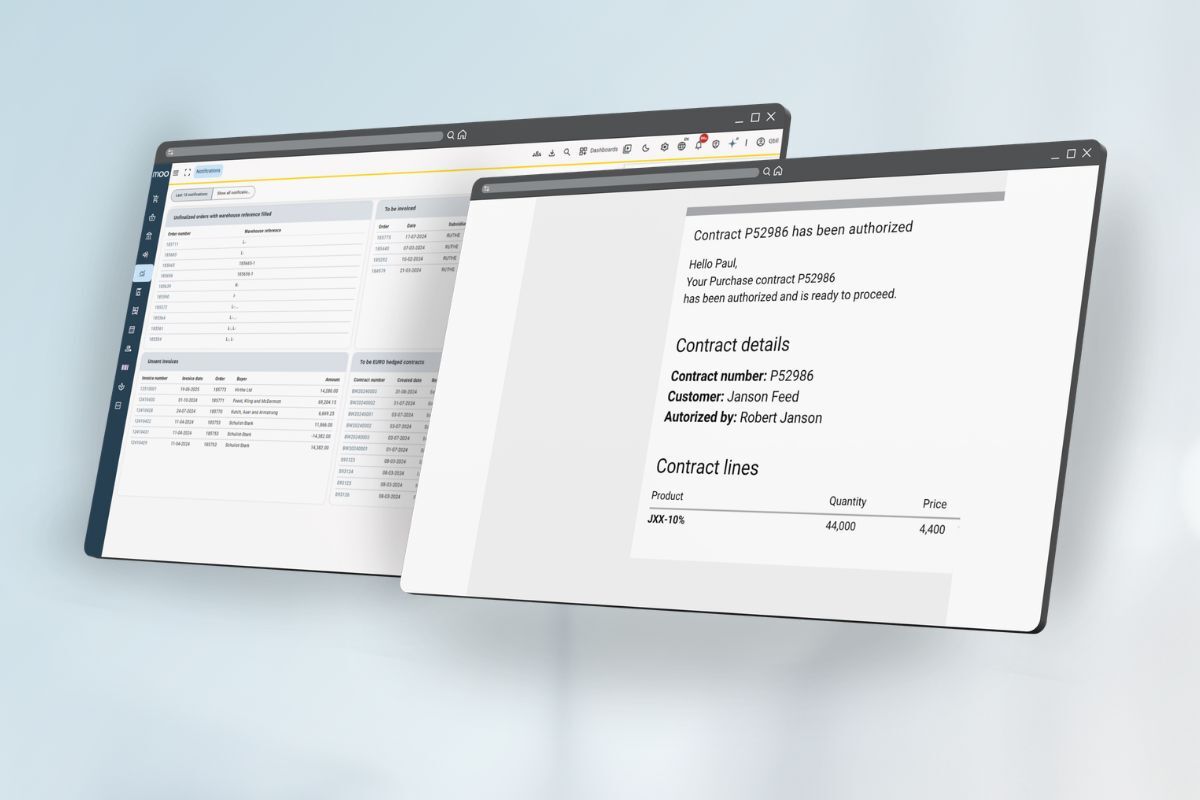
The process works by connecting your contract positions to live market data feeds. Your Molkereihandel-Software automatically updates position values as prices move, giving you instant visibility into your total exposure across all ingredients. This includes both physical inventory and forward contracts, whether you’re long or short in any particular commodity.
For dairy ingredient traders, this means you can see at a glance whether that large milk powder position you took last week is still profitable or whether market movements have eroded your expected margins before you’ve even completed delivery.
Why do dairy traders struggle without proper mark-to-market tracking?
Without real-time position tracking, dairy traders lose sight of their actual profitability and risk exposure across multiple contracts and ingredients. Spreadsheet-based systems can’t keep up with constantly changing commodity prices, leaving traders guessing about their current position values until contracts are closed.
The biggest challenge is managing multiple simultaneous positions in different dairy ingredients. When you’re trading milk powder, lactose, and butter simultaneously—each with different contract terms and delivery schedules—it becomes impossible to manually track the combined impact of price movements on your overall portfolio.
Many traders discover too late that what looked like profitable positions have turned into losses due to market volatility. By the time they update their spreadsheets or calculate positions manually, opportunities to hedge risk or lock in profits have already passed.
This lack of visibility becomes particularly dangerous in volatile markets. Dairy commodity prices can swing significantly based on seasonal factors, regulatory changes, or supply disruptions. Without real-time position tracking, traders can’t respond quickly enough to protect their margins or capitalise on favourable price movements.
The administrative burden also increases dramatically. Traders spend hours updating spreadsheets instead of focusing on market opportunities and customer relationships, which are the real drivers of trading success.
How does mark-to-market help dairy traders manage risk and profitability?
Real-time position tracking enables dairy traders to make informed decisions quickly and manage risk exposure across their entire portfolio. You can immediately see which positions are profitable and which need attention, allowing for timely hedging or profit-taking decisions.
The primary benefit is enhanced decision-making capability. When you know exactly where you stand financially at any moment, you can evaluate new trading opportunities more accurately. If your current milk powder positions are highly profitable, you might choose to hedge some risk. If lactose prices are moving against you, you can act before losses become significant.
Risk management improves dramatically because you can set position limits and alerts based on actual market values rather than historical costs. This prevents any single position or ingredient category from exposing your business to excessive risk.
Mark-to-market also reveals profitable opportunities that might not be obvious otherwise. You might discover that your combined dairy ingredient positions create natural hedges, or that certain contract combinations consistently generate better margins than others.
Inventory optimisation becomes more strategic when you understand the current value of your stock. Rather than holding ingredients based on purchase price, you can make decisions based on current market conditions and future price expectations.
What should dairy traders look for in mark-to-market functionality?
Essential mark-to-market features for dairy trading include real-time price feeds for all major dairy commodities, automated position calculations across multiple contracts, and integrated reporting that shows both individual and portfolio-level exposures.
Real-time price connectivity is fundamental. Your system should automatically update values for milk powder, lactose, butter, whey proteins, and other dairy ingredients you trade. Manual price updates defeat the purpose of real-time position tracking.
Contract management integration ensures that all your positions, whether spot purchases, forward contracts, or delivery schedules, are included in mark-to-market calculations. The system should handle different contract types, currencies, and delivery terms seamlessly.
Reporting capabilities should provide both summary views of your total exposure and detailed breakdowns by ingredient, contract, or counterparty. You need to see information at whatever level helps you make better trading decisions.
Alert functionality lets you set thresholds for position values, profit targets, or loss limits. When positions move beyond your comfort zone, you should receive immediate notifications to take appropriate action.
The system should also handle the complexity of dairy ingredient trading, including different quality specifications, packaging requirements, and delivery locations that can affect pricing and position values.
For dairy ingredient traders ready to move beyond spreadsheet-based position tracking, modern dairy trading software provides integrated mark-to-market functionality designed specifically for the complexities of ingredient trading. Professional implementation support ensures your system is configured correctly and operational quickly, typically within a few working days. If you’re ready to gain real-time visibility into your dairy trading positions, get in touch to discuss how mark-to-market tracking can improve your trading decisions and risk management.
Häufig gestellte Fragen
How quickly can I implement mark-to-market tracking in my existing dairy trading operations?
Most professional dairy trading software can be implemented within 5-10 business days, including data migration from spreadsheets and initial training. The key is choosing a system designed specifically for dairy commodities that can handle your contract types and pricing feeds without extensive customization.
What happens if my internet connection fails - will I lose access to real-time position values?
Quality dairy trading systems include offline backup functionality and cached data that maintains your last known position values during connectivity issues. Most also offer mobile access and redundant data feeds to minimize disruption to your trading operations.
Can mark-to-market tracking handle complex dairy contracts with quality premiums and location differentials?
Yes, professional systems are designed to accommodate dairy-specific contract complexities including protein content adjustments, fat premiums, packaging specifications, and delivery location differentials. These factors are automatically incorporated into position valuations rather than requiring manual calculations.
How do I set appropriate alert thresholds for my dairy commodity positions without getting overwhelmed by notifications?
Start with broader thresholds (5-10% position value changes) and gradually refine based on your risk tolerance and market volatility. Focus alerts on significant exposures first, and use different threshold levels for different ingredients based on their typical price volatility patterns.
What's the biggest mistake dairy traders make when transitioning from spreadsheets to automated mark-to-market systems?
The most common mistake is not properly mapping all existing contracts and positions during setup, leading to incomplete position tracking. Take time to ensure every contract type, delivery term, and pricing basis is correctly configured before going live with the new system.
How does mark-to-market tracking help with margin calls and credit management with my dairy suppliers and customers?
Real-time position values provide accurate exposure data for credit discussions and margin requirements. You can demonstrate actual position values to counterparties and banks, making credit negotiations more transparent and potentially reducing margin requirements through better risk documentation.
Can I use mark-to-market data to improve my dairy commodity purchasing timing and strategy?
Absolutely. Historical mark-to-market data reveals patterns in your trading performance and helps identify optimal entry and exit points for different dairy ingredients. You can analyze which contract terms and timing strategies have historically generated the best returns for your specific trading approach.