
Ingredient commodity traders optimise their daily operations through strategic position management, real-time contract tracking, and specialised trading systems that provide clear visibility into buy-and-sell positions. Successful optimisation requires managing multiple stakeholder relationships, responding quickly to market volatility, and maintaining accurate oversight of complex supply chains while operating on thin margins.
What daily challenges do ingredient commodity traders face in their operations?
Ingredient commodity traders face complex operational challenges, including position management across multiple contracts, coordinating among numerous suppliers and buyers, tracking inventory levels in real time, and responding rapidly to market price fluctuations while maintaining profitable margins on bulk commodity transactions.
The most pressing challenge involves maintaining accurate position visibility when handling dozens of contracts simultaneously. Traders must know exactly how much they have purchased versus sold at any given moment, particularly when dealing with products like milk powder, lactose, or dairy proteins, where contracts often involve staged deliveries over several months.
Market volatility adds another layer of complexity. Dairy ingredient prices can shift significantly based on seasonal factors, global supply disruptions, or changes in demand from food manufacturers. Traders need systems that allow them to quickly assess their exposure and make informed decisions about hedging or adjusting their positions.
Communication management presents ongoing difficulties as well. Traders spend considerable time coordinating via phone, email, and messaging platforms with suppliers and customers who often switch roles depending on the transaction. This complex network requires careful relationship management and clear documentation of all agreements.
How do successful traders manage their positions and contracts efficiently?
Successful traders maintain efficient position and contract management through real-time tracking systems that provide instant visibility into their buy-and-sell positions, automated contract monitoring, and standardised processes for recording and updating transaction details across all trading activities.
The foundation of efficient position management lies in having immediate access to accurate data. Traders need to see their current exposure across different products, delivery dates, and counterparties without manually calculating figures from spreadsheets or separate systems. This visibility becomes crucial when making split-second decisions about new opportunities or risk management.
Contract lifecycle management requires systematic approaches to tracking deliveries, payments, and quality specifications. Successful traders establish clear workflows for updating contract status, managing partial deliveries, and ensuring all stakeholders have access to current information about shipment schedules and specifications.
Integration between trading activities and financial systems streamlines operations significantly. When transaction data flows automatically into accounting systems, traders reduce manual errors and free up time for relationship building and market analysis rather than administrative tasks.
What tools and systems help streamline ingredient trading workflows?
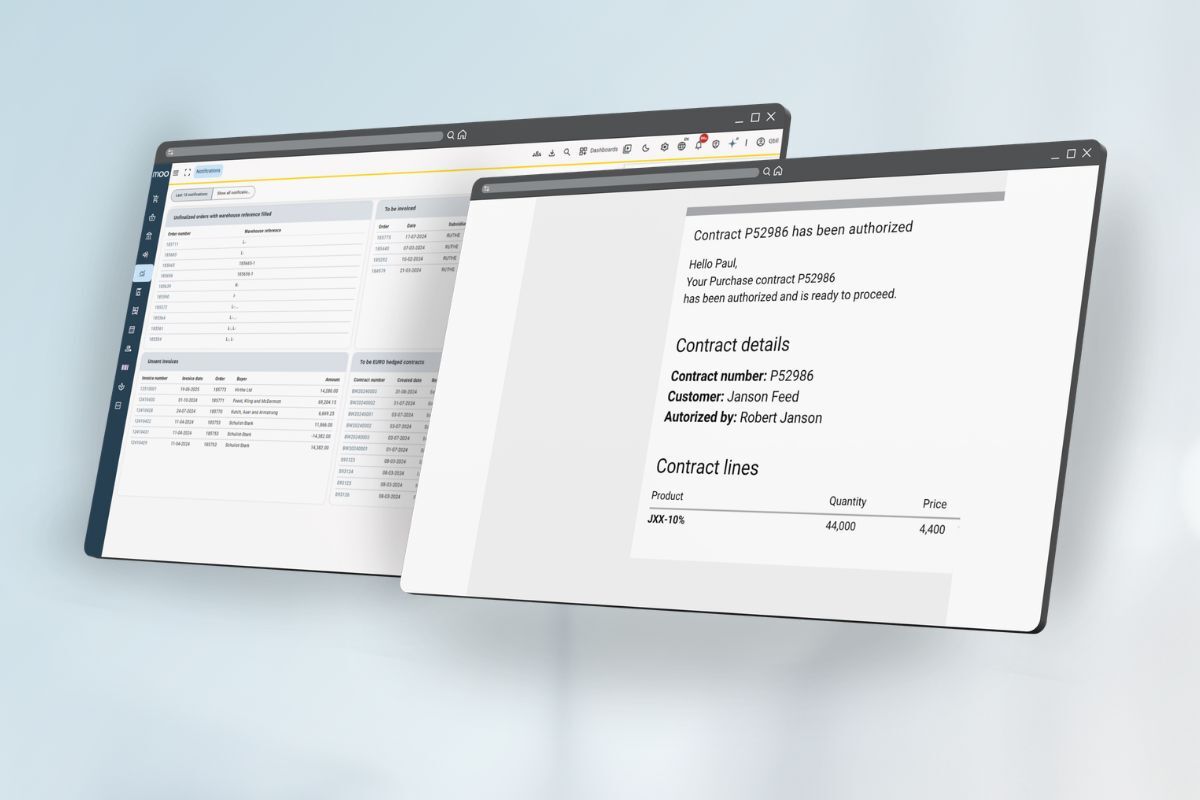
Especializado Software ERP para la industria láctea streamlines trading workflows through integrated contract management, automated position tracking, real-time inventory visibility, and seamless connections to existing accounting systems, eliminating manual data entry while providing traders with comprehensive operational oversight.
Modern trading systems designed specifically for commodity markets offer features that generic business software cannot match. These include position management dashboards that show real-time profit-and-loss calculations, contract templates designed for ingredient trading specifications, and automated alerts for delivery dates and payment terms.
Integration capabilities are essential for workflow efficiency. The best systems connect with existing accounting software, automatically transferring transaction data and reducing the risk of errors that occur when information must be entered multiple times across different platforms.
Digital communication tools within trading platforms help manage the constant flow of information between traders, suppliers, and customers. Rather than relying solely on separate email chains and phone calls, integrated messaging systems keep all communication linked to specific contracts and transactions.
Cloud-based solutions offer particular advantages for trading operations, allowing team members to access current information from any location while ensuring data security and automatic backups of critical trading information.
Why do many traders struggle with Excel-based operations as they scale?
Excel-based trading operations become problematic as businesses scale because spreadsheets cannot support real-time collaboration, lack integrated position management across multiple contracts, create version control issues, and require significant manual updating that becomes error-prone and time-consuming as transaction volumes increase.
The tipping point typically occurs when traders handle more contracts than can be effectively managed in a single spreadsheet view. As transaction complexity increases with multiple delivery dates, varying specifications, and numerous counterparties, Excel’s limitations become apparent through frequent errors and time spent on manual updates rather than trading activities.
Version control presents persistent challenges when multiple team members need access to trading data. Different versions of spreadsheets often contain conflicting information, leading to confusion about current positions and potentially costly mistakes in new transactions.
Real-time visibility becomes impossible with Excel-based systems. When market conditions change rapidly, traders need immediate access to current positions and exposure calculations. Spreadsheets require manual updates and calculations that simply cannot keep pace with fast-moving commodity markets.
The lack of integration with other business systems creates additional inefficiencies. Data must be manually transferred between Excel files and accounting systems, increasing the likelihood of errors and consuming valuable time that could be spent on revenue-generating activities.
Risk management becomes increasingly difficult as operations grow. Excel cannot provide the automated alerts, position limits, and comprehensive reporting that traders need to manage risk effectively across expanding portfolios of ingredient commodity transactions.
Optimising ingredient trading operations requires moving beyond manual processes to embrace specialised systems designed for commodity trading workflows. The transition from Excel-based operations to dedicated trading software typically becomes essential when businesses reach the point where manual tracking consumes more time than actual trading activities. For traders ready to streamline their operations with purpose-built solutions, orientación profesional can help identify the most effective approach for their specific trading requirements and business scale.
Preguntas frecuentes
How do I know when it's time to upgrade from Excel to a specialized trading system?
Entre los indicadores clave se incluyen dedicar más de 30% del día a la introducción manual de datos y al cálculo de posiciones, sufrir errores frecuentes debido a problemas de control de versiones o tener dificultades para obtener una visión en tiempo real de las posiciones cuando las condiciones del mercado cambian rápidamente. La mayoría de los operadores consideran que la transición se vuelve imprescindible cuando gestionan más de 20-30 contratos activos simultáneamente.
What's the typical implementation timeline for switching to a specialized trading platform?
La implementación suele tardar entre 4 y 8 semanas, dependiendo de la complejidad de la migración de datos y el tamaño del equipo. El proceso incluye la migración de datos de los sistemas existentes, la capacitación del personal y la implementación gradual de funcionalidades. La mayoría de las empresas ven beneficios inmediatos en la visibilidad de sus posiciones dentro de la primera semana, con ganancias totales en la eficiencia operativa realizadas en 2 o 3 meses.
¿Cómo puedo mantener las operaciones de trading durante la transición a un nuevo sistema?
Ejecute ambos sistemas en paralelo durante el período de transición, comenzando con los nuevos contratos en el nuevo sistema mientras se mantienen los contratos existentes en Excel hasta su finalización. Este enfoque minimiza las interrupciones al tiempo que permite que su equipo se familiarice con la nueva plataforma. La mayoría de los traders encuentran que este enfoque paralelo reduce el riesgo y garantiza la continuidad.
Los errores más comunes que cometen los traders al seleccionar software de trading son:
El mayor error es elegir software ERP genérico en lugar de soluciones específicas para productos básicos que comprenden los flujos de trabajo comerciales. Otros errores comunes incluyen subestimar los requisitos de integración con los sistemas de contabilidad existentes, no evaluar las capacidades de acceso móvil y no considerar la curva de aprendizaje para los miembros del equipo que se sienten cómodos con Excel.
¿Cómo manejan los sistemas de comercialización especializados los calendarios de entrega complejos y los envíos parciales?
Las plataformas de negociación modernas rastrean automáticamente las entregas parciales contra las cantidades del contrato, envían alertas para las fechas de entrega próximas y mantienen registros detallados del estado de los envíos. Pueden manejar entregas escalonadas a lo largo de varios meses actualizando los cálculos de posición en tiempo real a medida que cada entrega parcial se registra y confirma.
¿Qué debo esperar en términos de ROI después de implementar un sistema de trading especializado?
La mayoría de los operadores obtienen un retorno de la inversión en un plazo de entre 6 y 12 meses gracias al ahorro de tiempo, la reducción de errores y la mejora de la capacidad de toma de decisiones. Entre las ventajas habituales se incluyen una reducción del 40-60 % del tiempo dedicado a tareas administrativas, la eliminación de errores en el cálculo de posiciones y la capacidad de gestionar entre dos y tres veces más contratos con el mismo tamaño de equipo. La mayor capacidad de respuesta al mercado suele traducirse en mejores oportunidades de negociación y en un aumento de los márgenes.
¿Se pueden integrar los sistemas de trading con el software de contabilidad existente como QuickBooks o SAP?
Sí, la mayoría de las plataformas de trading especializadas ofrecen capacidades de integración con sistemas contables populares a través de APIs o conexiones directas. Esta integración transfiere automáticamente los datos de las transacciones, elimina la entrada duplicada de datos y garantiza que los registros financieros se mantengan sincronizados con las actividades de trading. Las opciones de integración específicas varían según la plataforma, por lo que es importante verificar la compatibilidad con su sistema contable existente antes de la selección.